

Kvitka Cisyk, a legendary vocalist with Ukrainian heritage, was born and raised in the United States. Her voice is familiar to practically every American. She worked together with Michael Jackson, Whitney Houston and other global stars. Two albums of Ukrainian songs, which she produced at her own expense, achieved worldwide fame. Ukrainians from all across America and the world were able to enjoy their native music thanks to the musician. Learn more about the singer with an incredible voice at queenska.com.
Daughter of immigrants from Lviv
Kvitoslava-Orysia Cisyk was born on April 4, 1953, in Queens. Her intelligent parents, Ivanna and Wolodymyr Cisyk, resided in Lviv until 1944. Her mother worked in a bank, and her father was a violinist. Fleeing the Soviet occupation, the family first traveled to Germany, and in 1949 moved to the United States.
Her relatives and friends called her Kvitka, although she gained fame in America under the stage name Kacey (a combination of the first letters of her first and last names). Thanks to her father, at the age of four, the girl learned to play the violin. Kvitka studied stage art at the ballet school of the renowned ballerina Roma Pryma-Bohachevsky, who spent some of her career in Lviv. She also sang in a choir alongside young Michael Jackson. In addition, the girl enjoyed equestrian sports.
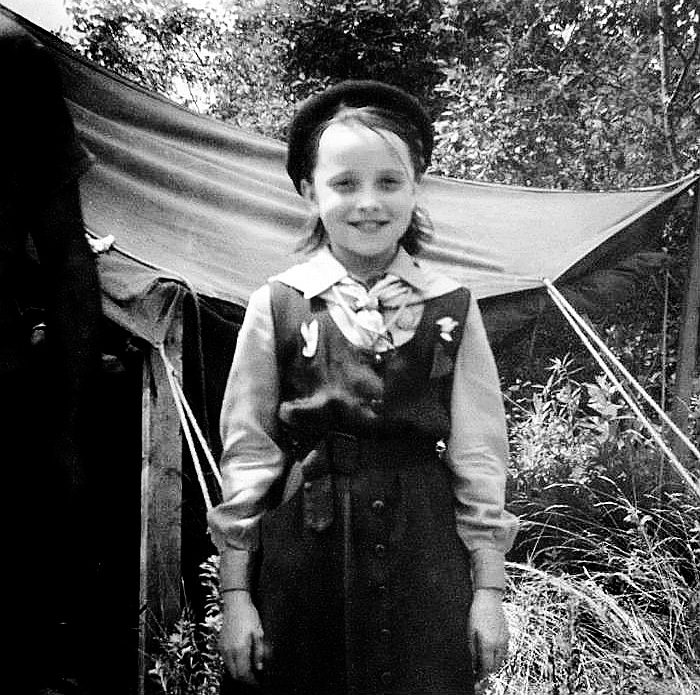
Cisyk attended an ordinary American school during the week and, in order to stay in touch with her culture, went to the Ukrainian Studies school every Saturday. Furthermore, from the age of 7 to 16, the young Plast member attended three-week camps in mountainous regions where she learned Ukrainian music, customs and so on. In 1967, Kvitka, together with other Plast members, formed the singing group Nightingales, which she headed for 3 years. The girls performed Plast, folk and popular songs to the accompaniment of a guitar.
Rare timbre of voice
In 1970, Cisyk graduated from the High School of Music & Art (New York). After that, she spent a year at Harpur College, which was then part of Binghamton University (New York), where her older sister Maria taught piano. In January 1971, students of Harpur College launched the television program “Thoughts of Ukraine”. Maria Cisyk helped write the script, and several of Kvitka’s songs were featured in the program.
In the summer of 1971, Cisyk spent six weeks in Belgium, specifically attending a seminar on European opera. The singer was awarded a scholarship for an internship at the Royal Conservatory of Ghent in Belgium. After returning to the United States, Cisyk continued her violin studies at the Mannes College of Music in New York. A year later, Kvitka followed her heart’s desire and transferred to an academic singing class. She later admitted in several interviews that she felt guilty to her father for abandoning the violin. Cisyk studied singing with the renowned maestro of the Viennese opera tradition, Sebastian Engelberg. She graduated from music school in 1974.
Kvitka was a coloratura soprano (an agile light voice with a high upper extension, capable of fast vocal coloratura). She freely experimented with styles ranging from jazz to classical. Cisyk was also able to sing in a “white voice” – a folk technique that is particularly popular in Carpathian villages. According to musicologists, Kvitka’s vocal timbre had a distinct sonorous overtone and tones similar to the sound of a violin.
All of the songs from the singer’s two Ukrainian albums sparked huge excitement. Their recording cost the musician approximately $200,000 of her own money. Cisyk hired the best musicians in New York, also she was accompanied by her sister Maria, and her mother ensured proper Ukrainian pronunciation. Interestingly, in 2006 in Kyiv, Odesa resident Alex Gutmacher heard Cisyk’s song “Cheremshyna”. He was so taken with the singer’s voice that when he came to the United States, he dedicated his life to promoting her work. Gutmacher donated a large portion of the monies generated at the Cisyk Memorial evenings to charity.
Queen of jingles and commercials
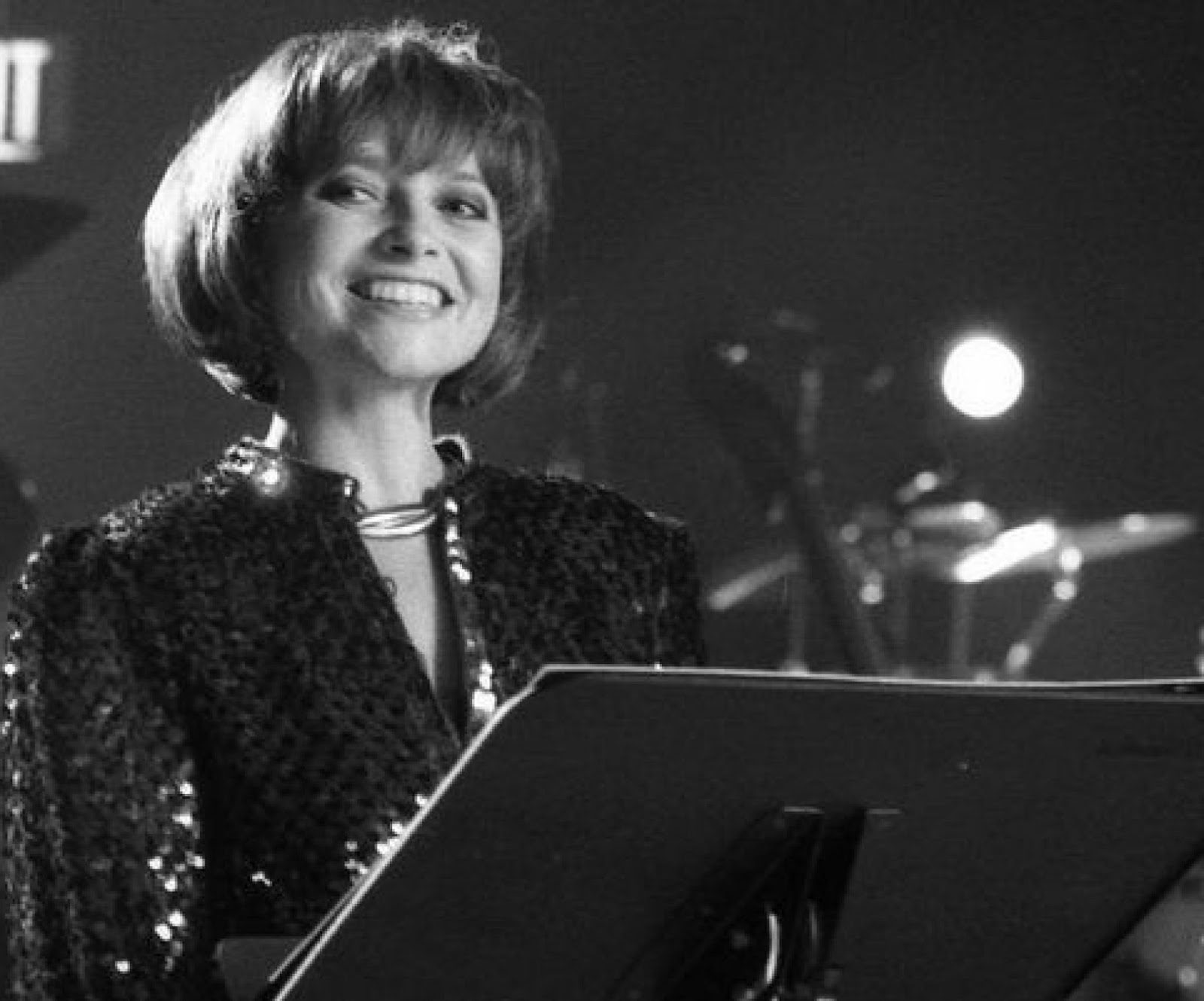
Following her father’s death, Kvitka was forced to look for supplementary income. She sang in New York clubs, performing in a variety of genres including jazz, pop and even rock. Additionally, the singer offered recordings of her voice for commercials and individual composers. This is how she was noticed by the producers, thanks to which Cisyk became one of the most successful performers of jingles (tunes played on radio stations) and commercials.
Americans heard her voice in campaigns for Coca-Cola, McDonald’s, American Airlines and other brands. For 16 years, she voiced Ford Motor Company advertisements. The corporation provided her with all new models of their cars, although Kvitka drove a Jaguar sports car. By the way, she enjoyed crazy speed. Ford Motor Company estimated that advertisements featuring Cisyk have been listened to over 22 billion times!
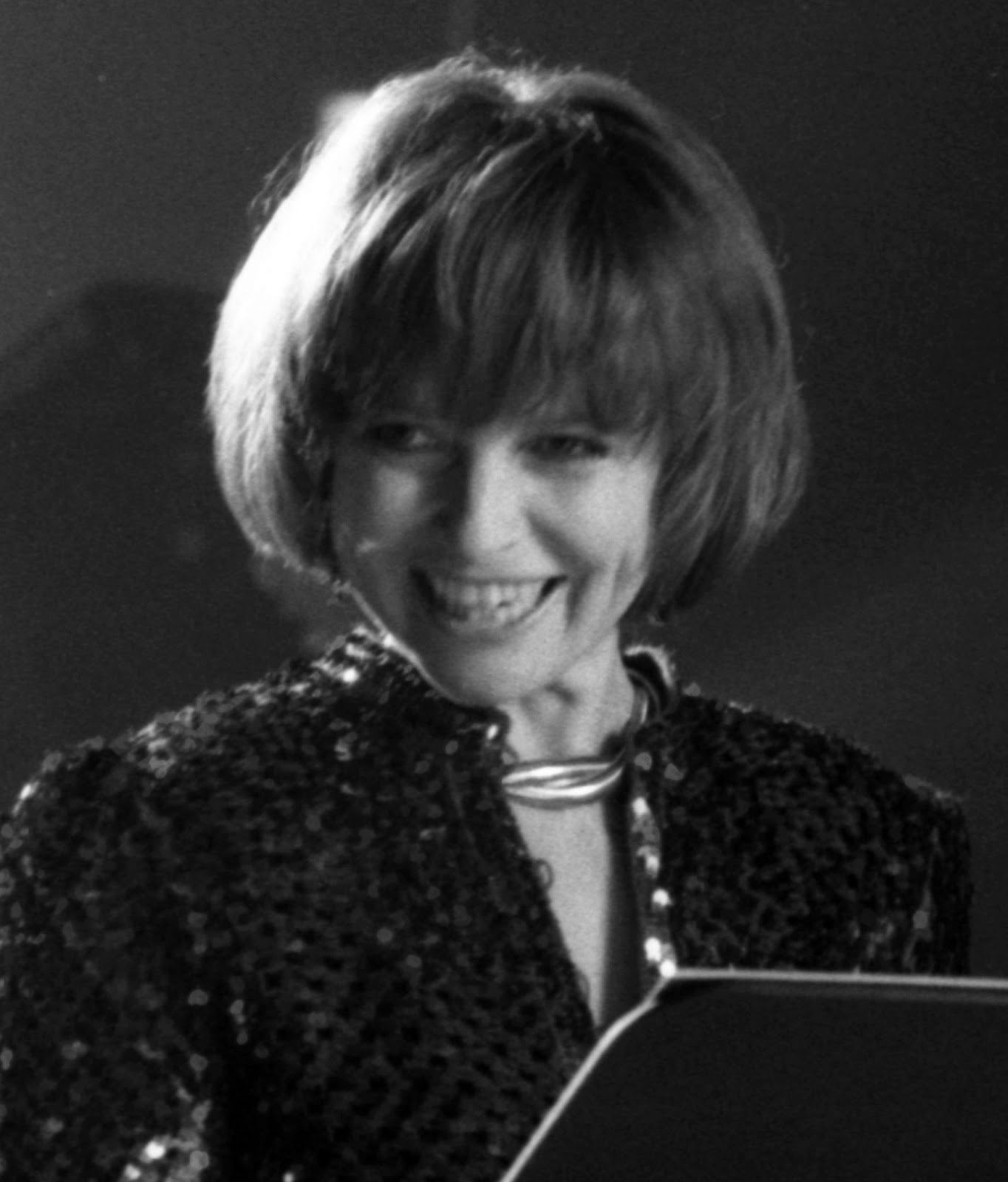
The vocalist collaborated with many prominent American musicians and producers. For example, she was a backup vocalist for Whitney Houston and Michael Jackson. She participated in the recording of albums by Michael Bolton, Bob James, Linda Ronstadt and Robert Fleck.
In 1978, the song “You Light Up My Life”, which Cisyk performed in the film of the same name, won an Oscar and a Golden Globe. It was also nominated for the Grammy Song of the Year. Despite performing all of the female parts, Cisyk’s last name was not included in the credits owing to a conflict with the director. In the same picture, Kvitka also tried her hand as an actress, playing a friend of the main character.
The only visit to Ukraine
In 1983, Kvitka Cisyk and her mother came to Lviv, but secretly. Then, even her Lviv relatives weren’t informed of her arrival. The fact is that an ideological circular in Soviet Ukraine banned the singer. This is because her repertoire included songs about the UPA and Sich Riflemen. In addition, the singer was the daughter of emigrants. According to her husband, all phone conversations at the hotel where she was staying were recorded.
By the way, the only interview in Ukrainian with Cisyk was conducted in 1992 by Oleksandr Hornostai, the then-head of the Chervona Ruta musical ensemble. The same year, Kvitka was invited to perform in a concert dedicated to the second anniversary of Ukraine’s independence. However, due to a booked tour schedule and poor health, Cisyk was forced to decline.
Personal life
The great vocalist had two marriages, both to Americans. Her first husband was jazz musician, composer-arranger and producer Jack Cortner, who was 14 years older. The couple lived together for only one year. The star’s second spouse was Edward Rakovich, a well-known recording engineer who worked with Madonna, George Benson and other legendary figures. The couple had a son named Edward-Wolodymyr Rakovich, an academic pianist.
Thanks to her talent, Kvitka Cisyk made enough money for a three-story studio building in the heart of New York. She owned her own horse, Mercury, a Chow Chow dog named Medyo and, as previously mentioned, a Jaguar sports car.
In the early 1990s, doctors diagnosed Kvitka with a terrible disease of breast cancer. She was only expected to live a few months, yet the star lived for another seven years. During this time, she went through grueling chemotherapy treatments yet continued to work productively. Kvitka died in 1998, at the age of 44. Her mother and sister died from the same disease. Cisyk’s last recorded song was “The Cranes” to lyrics by Bogdan Lepky.