

In the late 19th and early 20th centuries, many new clothing stores and department stores opened in Queens. This happened due to the spread of the feminist movement, as women actively fought for their rights while expressing their own identities. New and even radical fashion trends broke away from the gendered, culturally restricted past. Read more about the history of shopping in this borough at queenska.com.
The first successful boutique
At that time, women in Queens tended to choose quite conservative clothing for themselves. In November 1924, the Berger spouses opened a small clothing store, Famous Fashion Shops, in the Astoria area of Queens. It turned out to be so successful that over the following years, the couple opened four more stores in Queens, five in Manhattan and one in Brooklyn. Famous Fashion Shops’ clothes can be described as affordable reproductions of luxurious designs accessible to the average woman.
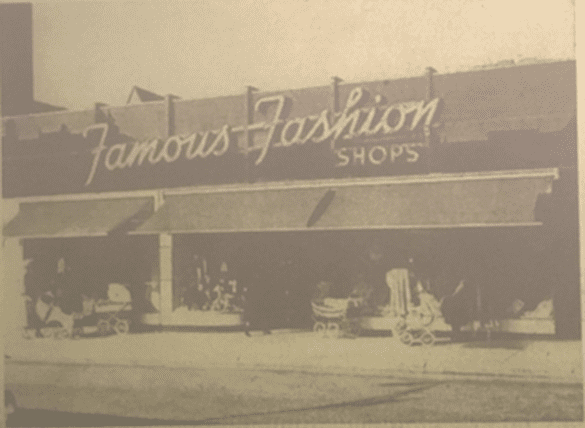
Bergers not only offered quality items at reasonable prices but also created a family-friendly atmosphere. It attracted new customers like a magnet. All the sellers at Famous Fashion Shops, in order to advance in their careers, were required to keep the family atmosphere and be friendly with buyers. Clothes in Queens differed from that of Manhattan. Queens shoppers were looking for new styles and trends that could be showcased on 5th Avenue. They often wore fakes, but they were of good quality.
Europeanization of fashion
In the 1940s, fashion industry giants noticed the growing interest of Americans in European styles. Designers in the United States often copied French clothes and sold them in American department stores, including New York.
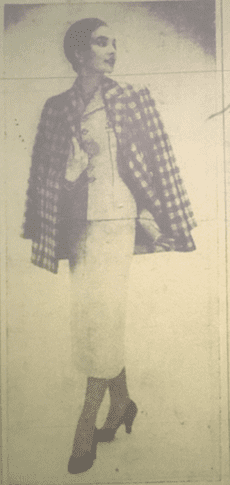
Residents of Long Island wanted to follow fashion trends without spending a lot of money. Thus, Queens stores were in great demand for international design, offering residents the latest creations from top stylists of New York and Paris. The boutiques of Famous Fashion Shops became so popular that they received orders from clients in Rome, Shanghai and other cities across the ocean. In Manhattan, women who had moved from Queens desired the luxury they used to have at home.
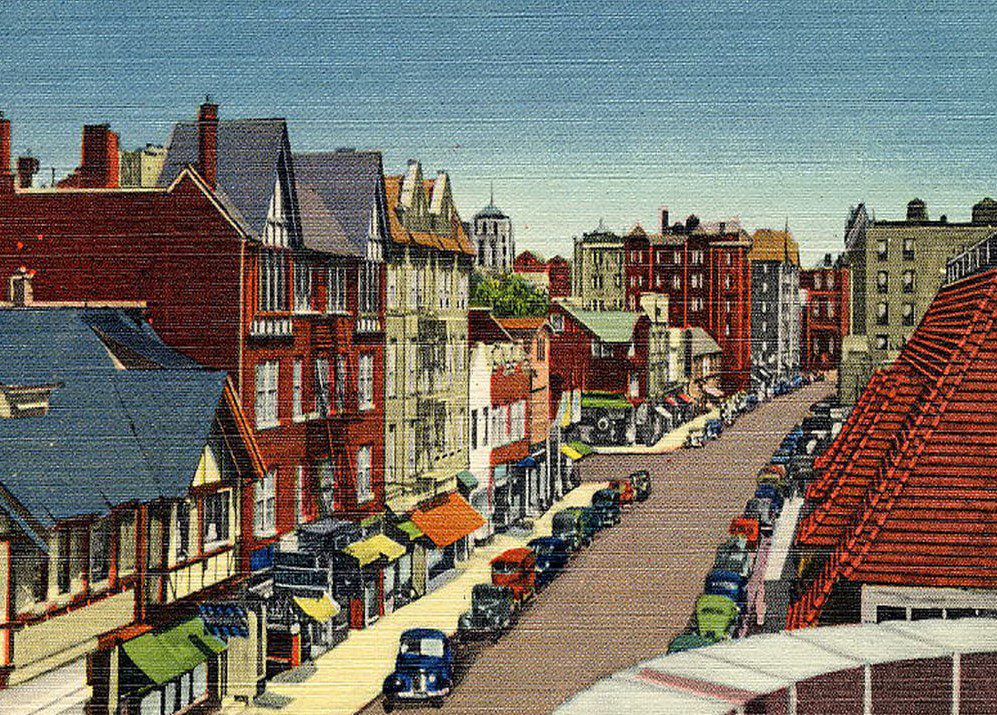
Interestingly, a significant portion of the popular goods among women were also made for men. For example, at Perry’s Shop for Men in Jackson Heights, customers sought out the Palm Beach men’s suit that was sewn from innovative fabrics.
Cheap and high-quality underwear
At that time, functional and inexpensive clothing was mostly produced. Jayson’s store in Forest Hills sold products “for a woman with values.” Queens women had a knack for finding the best discounts on clothes of high quality.
Women’s underwear was constantly changing. Designers employed new technologies and styles to make everyday life easier. The bras were big but also comfortable. The Reflexion bra moved with the body. Kayser, in its advertising, guaranteed that their nylon underwear fits perfectly, unlike previous models that hung down. Fit-All-Tops stockings were marketed as a new technological marvel because they “didn’t twist.” Youthcraft briefs combined attractiveness and comfort. They were made from satin latex and nylon mesh.
The Majesty of Nylon
As mentioned above, fashion was inseparable from innovation. Designers and fashion designers preferred strong and durable fabrics. A long time ago, people could not even imagine that such a thin material that is almost impossible to tear by hand would exist.
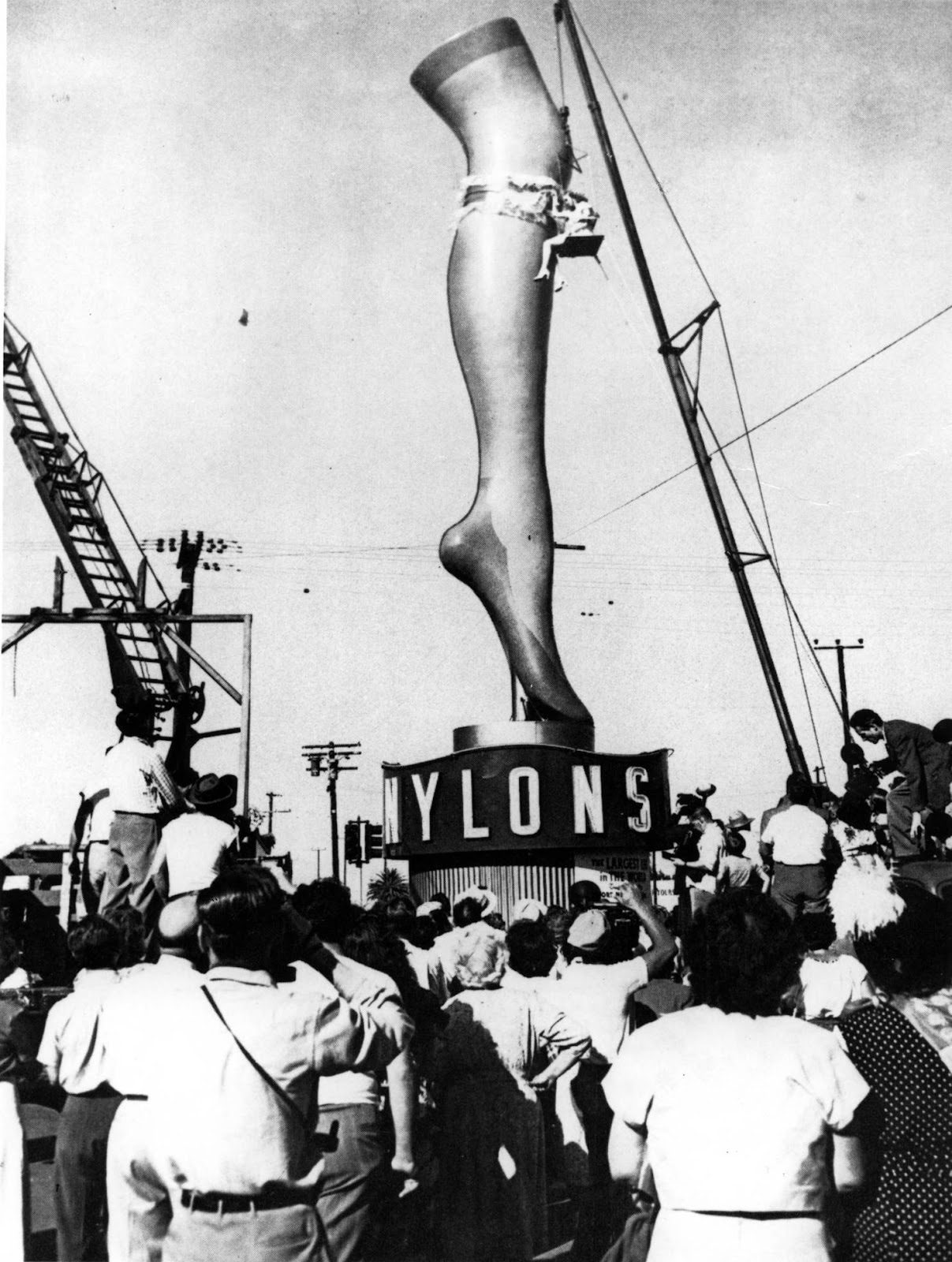
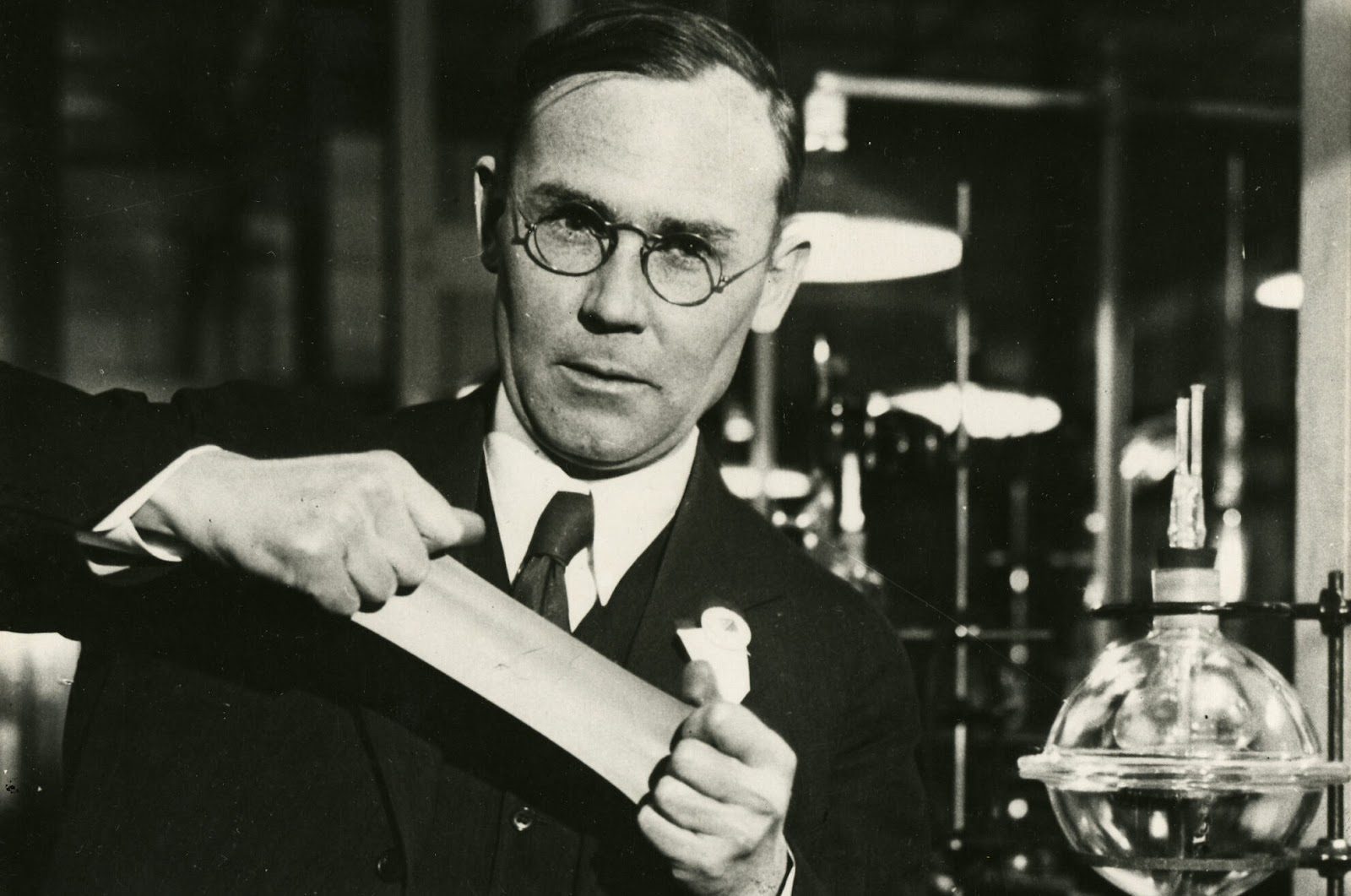
Parachutes for the military contributed to the important invention. In those years, they were made of silk, which made them very expensive. Looking for a cheaper alternative, American chemist Wallace Carothers synthesized a polymer with a high molecular weight in 1935. This way, he obtained nylon. However, despite his genius, Carothers suffered from a mental disorder, which led to his suicide.
In New York and the rest of America, nylon was considered the “magic fabric of the century” during World War II. It was first presented to the public in 1939 at an exhibition in New York. Visitors were greeted by a 12-meter leg mannequin in a nylon stocking. Nylon is a very thin yet strong synthetic fabric that is easy to dye and care for. There were many varieties of nylon: opaque, semi-transparent, solid, with prints and so on. The popularity of nylon was partially due to the lack of need for ironing.
Effective advertising and proper marketing did their job. Nylon stockings, despite their high price, were sold incredibly well. They were perfectly stretched, retained their shape, did not deform and literally hugged the legs. However, during the war, this fabric was used not only for stockings but also for parachutes, backpacks, truck covers, some uniforms and even body armors.
Nylon fibers form a thin cloth that is difficult to tear or stretch. This can be inconvenient during clothing production, so when nylon threads are created, elastomers are added. These polymer fibers are elastic and stretch well. Elastomers are rarely used separately from nylon due to their insufficient strength, but when combined with nylon or polyester, they create a quality and durable cloth.
One of the most popular elastomers is elastane, created in 1959. It is also known as spandex or Lycra (named after the brand Lycra). Elastane is used in creating form-hugging clothing, such as suits for running, cycling and swimwear.
End of an era
In the 1960s, advertisements in Queens stores continued to focus on mass-produced clothes. The textile industry was developing as rapidly as housing construction or space-age technologies. Since Famous Fashion Shops expanded far beyond New York, they completely lost their local charm and family atmosphere.
Hundreds of other clothing stores and department stores in New York also closed. Then, the local shopping in Queens lost its previous appeal. Many people moved to other boroughs, cities, states or even countries. Those who stayed were offered clothes based more on demand than fashion trends. The culture of the organized borough changed along with consumers’ preferences to shop on Queens’ important commercial boulevards. The shelves of the Macy’s department store were filled with imitations of Parisian haute couture.
Over time, Manhattan, especially the Soho district, took the lead in New York’s fashion industry. The famous art space of the 1970s and 1980s transformed into one of the main shopping areas in New York. Alongside art galleries, there are designer boutiques and fashionable chain stores. You can also find countless street vendors selling designer knockoffs, including sunglasses, handbags and scarves. The luxurious cast-iron facades of buildings and cobblestone streets create a special atmosphere where fashion enthusiasts enjoy spending time.