

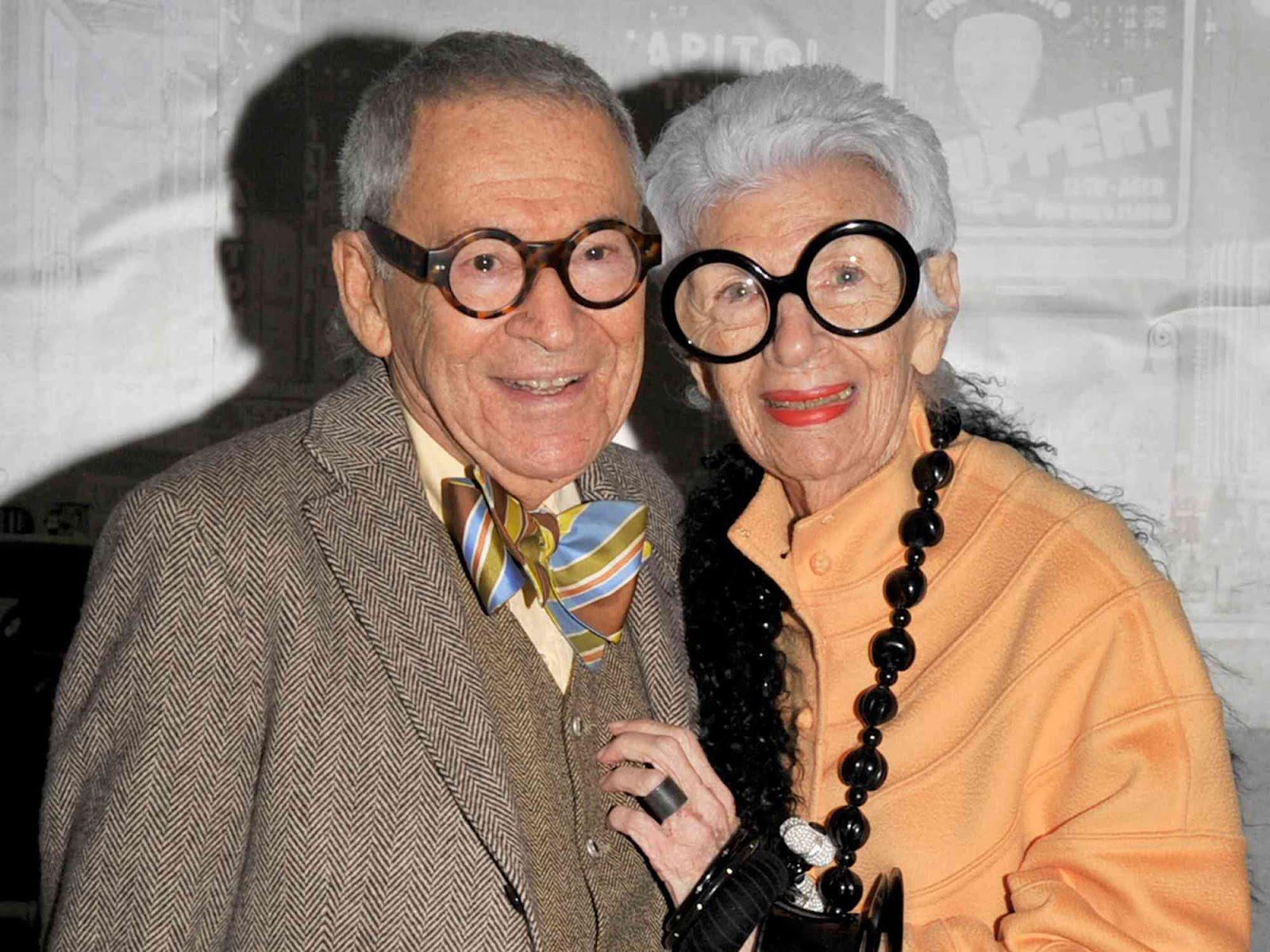
She was instantly recognizable for her stunning outfits, large black-framed glasses, and joyous smile. Through her impeccable style, she always promoted personal self-expression, unaffected by age or societal norms. Few could capture the attention of fashion magazines and admirers worldwide quite like Iris Apfel, the American businesswoman, interior designer, and fashion icon. Read more about this eccentric celebrity on queenska.com.
Early Years
Iris Barrel (her birth name) was born on August 29, 1921, in Astoria, Queens. She was the only child in her family, with her father owning a glass and mirror business and her mother managing a fashion boutique. Interestingly, Barrel has Ukrainian roots, as her grandfather emigrated to the U.S. from Kamianka-Buzka in the Lviv region.
Although young Iris grew up on a farm, she frequently took the subway to Manhattan, where she explored antique shops. She also rummaged through flea markets near her home in Queens, collecting vintage bags, silk dresses, and jewelry. During the Great Depression, her family made a living through sewing, draping, and other fabric work. It was then that Iris discovered her talent for design and style.
After studying at an art college, Iris worked as a copywriter for Women’s Wear Daily, a fashion industry magazine often called “the Fashion Bible.” It covers trends and the latest news in men’s and women’s fashion, beauty, and retail. At the time, she earned only $15 a week. Additionally, Iris worked as an interior designer, decorating apartments for resale and honing her talent for finding rare items. Another of her early roles was as an assistant to illustrator Robert Goodman.
Textile Company
At 20, Iris displayed her fashion-forward talent, adopting denim jeans well before they became popular with Hollywood stars. Iris often claimed she was the first woman to wear jeans in the 1940s. Since then, she consistently established herself as an exceptionally stylish woman. On her first date with her future husband, Iris wore a little black dress not by Coco Chanel (as most women did) but by Norman Norell. She won the heart of Carl Apfel and married him in February 1948.
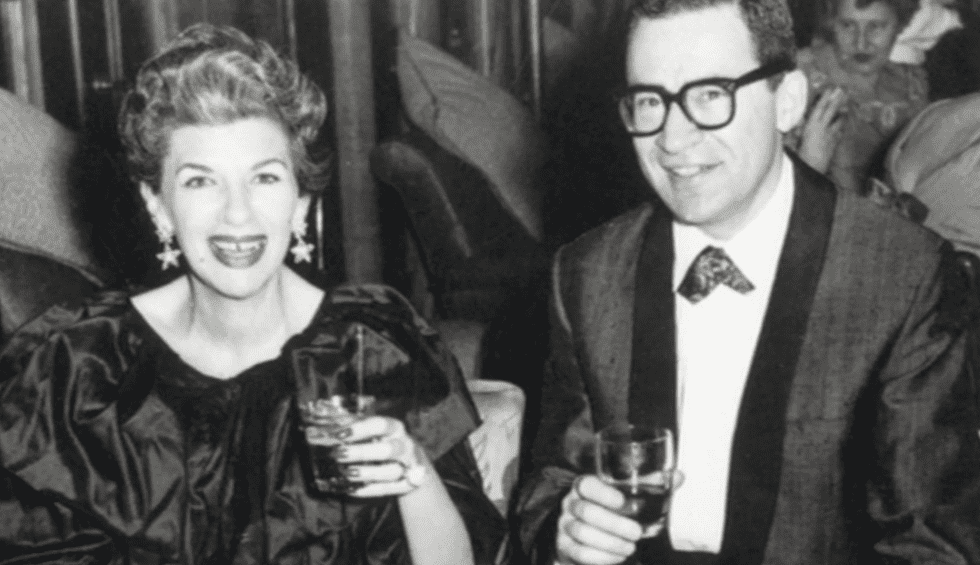
Two years later, the Apfels founded the textile company Old World Weavers, which they managed until their retirement in 1992. The couple recreated 17th–19th-century fabrics, traveling twice a year to Europe to source textiles unavailable in the U.S. Thanks to their business, the couple traveled worldwide, where Iris collected unique clothing pieces. She wore these outfits at social gatherings, always presenting a different vibrant look, though some things remained constant—her flawless hairstyle, coral-red lips, and large infinity-symbol glasses in black frames. Her originality often shone through her mix of high and low fashion, like pairing Dior clothing with flea market finds or 19th-century church attire with Dolce & Gabbana pants.
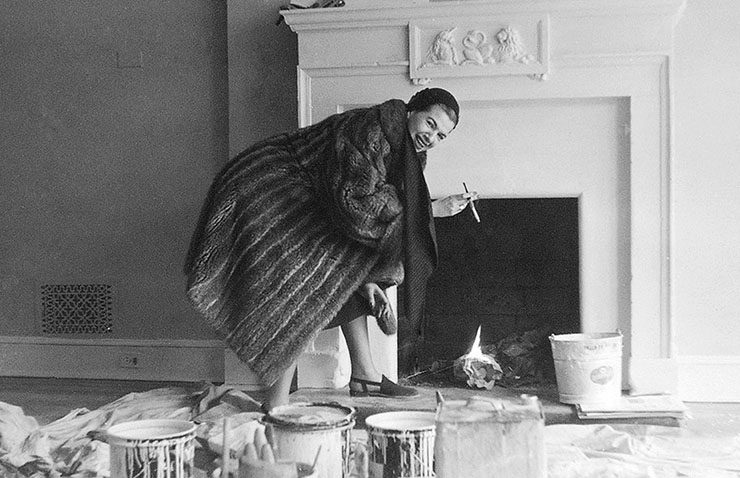
Her aesthetic sense and unique style allowed Apfel to create stunning, unconventional living spaces. She participated in various interior restoration projects, decorating residences for nine U.S. presidents. However, according to Apfel, working with the White House was among the simplest tasks for Old World Weavers, as it mostly involved recreating previous interiors.
Successful Model
The world recognized Apfel as a star who had built a brand around herself throughout her life. It’s no wonder she was often invited to endorse products, from cars to tech startups. For example, in 2016, she appeared in a commercial for the French car DS 3. Additionally, the style icon became the face of the Australian women’s clothing brand Blue Illusion. That same year, Iris collaborated with the tech startup WiseWear to create smart jewelry.
In 2018, she modeled for Vogue, and that year, Mattel produced a silver Barbie doll in her honor. Photographer, director, and fashion blogger Ari Seth Cohen featured Apfel in his documentary Advanced Style, about stylish New Yorkers aged 60 to 100. According to him, Apfel promoted “personality and self-expression rather than a youthful ideal of perfection and beauty.” Legendary American designer Tommy Hilfiger stated that Apfel became a fashion icon thanks to her incredible talent, not only as an artist but as an influential figure. She impacted many with her immense heart.
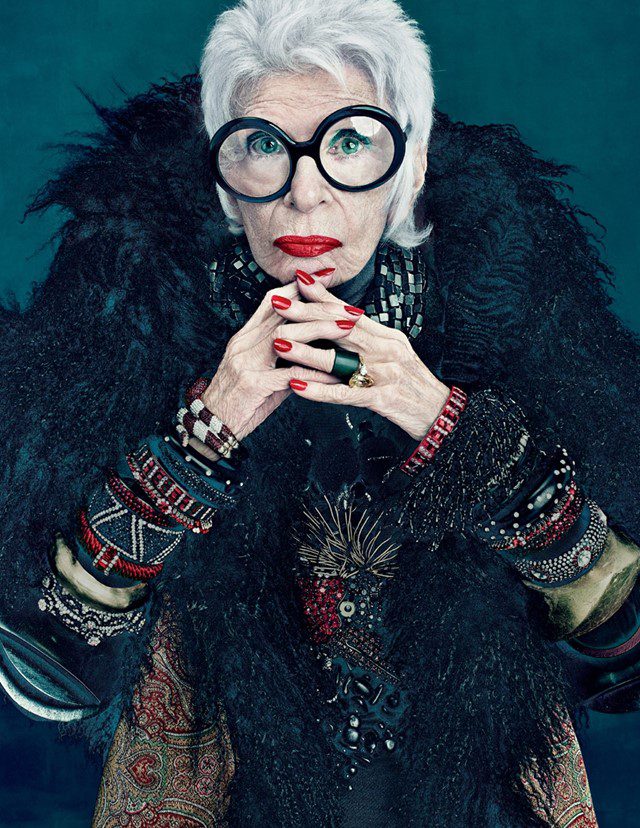
Apfel also appeared in ads for brands like MAC Cosmetics and Kate Spade New York. She designed an accessories and jewelry line for the Home Shopping Network, collaborated with H&M on a collection of vibrant clothing, jewelry, and footwear, released an eyewear line with Zenni, and partnered with Ruggable to create rugs. In 2019, at 97, she signed a modeling contract with IMG, a global sports, fashion, events, and media company. At 101, she collaborated with Ciaté London to create cosmetics.
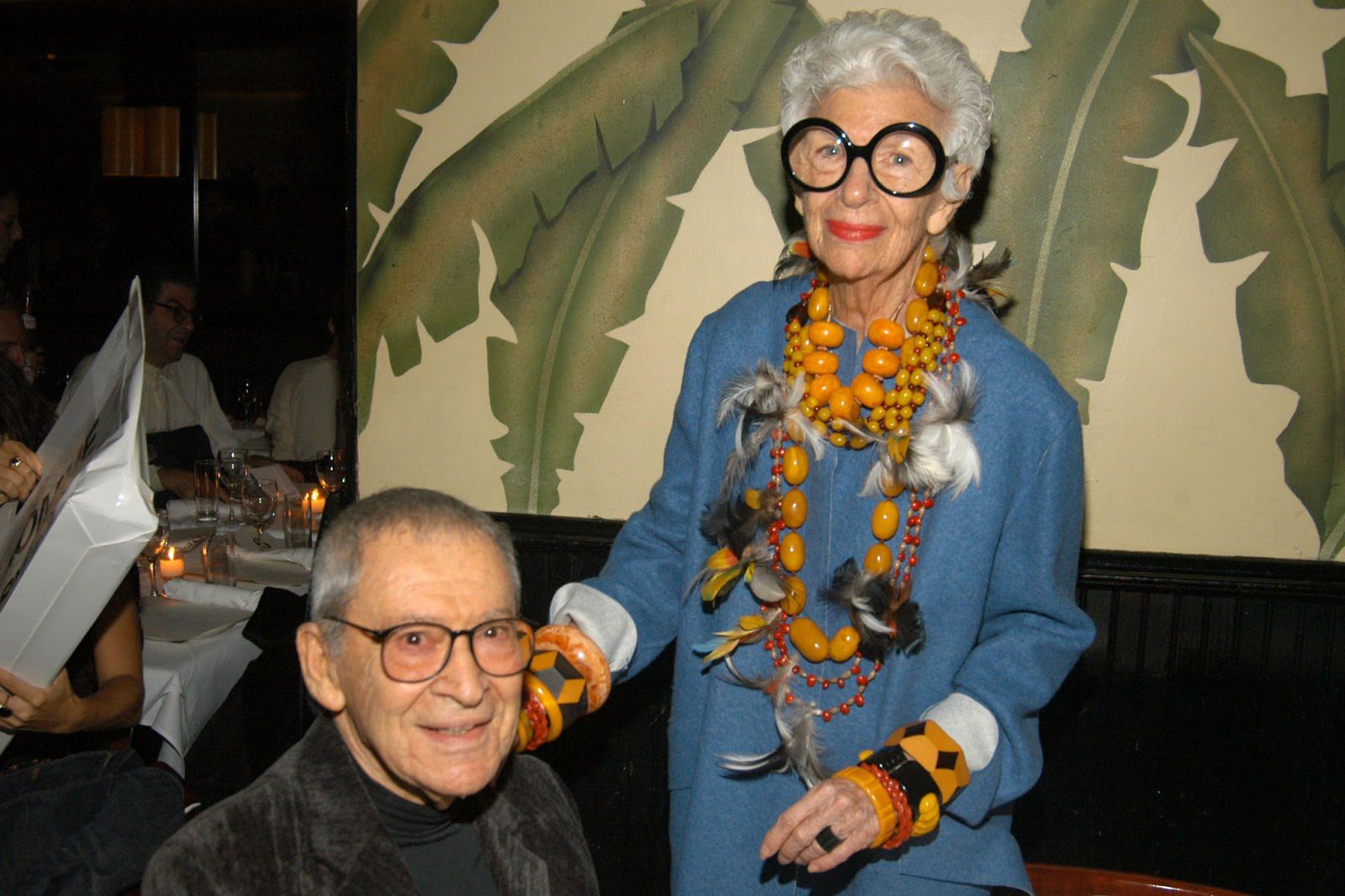
Iris Apfel refused to conform to age-related stereotypes, even though society often expects older women to become more restrained versions of themselves. Style, for her, was a true evolution—a slow transformation, as eccentricity requires courage and commitment. Ultimately, her outfits, which often didn’t conform to societal expectations regarding age, exemplify society’s ability to embrace and appreciate differences. Even at 100, Iris Apfel demonstrated her timeless influence and fearless approach to self-expression through her maximalist wardrobe, philanthropy, and social media presence.
Interesting Facts
- The Apfels didn’t have children, partly due to the frequent travel demands of their work. Iris didn’t want a nanny to raise her children.
- Iris and Carl’s favorite fragrance was Yatagan by Caron.
- After 67 years of marriage, Carl passed away in 2015 at 100. Iris passed away in 2024 at the age of 102.
- Unlike many women considered eccentric, Mrs. Apfel was globally recognized and adored even during her lifetime, as evidenced by her 3.1 million Instagram followers. Her unwavering self-confidence, creativity, and zest for life serve as a reminder that style knows no age limits.
- Iris owned an extensive collection of accessories, including bold jewelry, large glasses, and fashionable hats. This is unsurprising, considering she meticulously selected accessories to complement each of her eclectic outfits.
- The designer shared her wisdom and ideas in her book Iris Apfel: Accidental Icon, where she detailed her life journey, career, and personal style. The book has inspired fashion enthusiasts worldwide.
- Influential magazines like Vogue and Harper’s Bazaar hailed Apfel as a style icon, praising her fearless approach to fashion and her ability to effortlessly blend diverse elements to create unforgettable looks.