

Those who have wholly dedicated themselves to serving God and others often encounter prejudice or even condemnation from society. Misunderstanding of the ascetic lifestyle brings about numerous stereotypes about monks and nuns. Some claim monks are lost souls, others call them unlucky in love, and some even view them as recluses escaping the world. However, this is not always the case. Paulette LoMonaco exemplifies a modern nun who genuinely loves people and tirelessly works to improve their lives. With her intellect and skills, she could have easily become the CEO of a large corporation but chose to serve those in need. More about this Catholic nun who breaks stereotypes is detailed on queenska.com.
Early Years
Paulette LoMonaco grew up in Forest Hills, Queens. From a young age, she showed a desire to help people. Her decision was influenced by one particular incident. Once, while volunteering at a hospital, she had to take a young patient to the psychiatric ward, leaving her locked in a room with other mentally ill individuals.
Later, Paulette’s friends introduced her to the sisters of Good Shepherd Services, a social services agency whose mission is to help struggling youth and families and provide them with resources for growth. After her visit, LoMonaco knew she wanted to work with young people.
Dedication to the Community
Paulette LoMonaco joined Good Shepherd Services in 1969. Since then, she has lived and worked in a home for teenage girls in crisis. Thirty-three years later, Sister Paulette became the director of this nonprofit organization. Good Shepherd Services demonstrates that real change is possible even in the most challenging cases with the right approach. The agency primarily works with families, understanding that when parents receive support, their children can thrive. Another focus is supporting schools in impoverished communities, often lacking the balance of academic, social, and emotional assistance critical for student success. Additionally, some programs are directed toward building stronger communities, offering young people safety and mentorship. However, frequent obstacles to realizing potential include high unemployment, low-wage jobs, and crime.
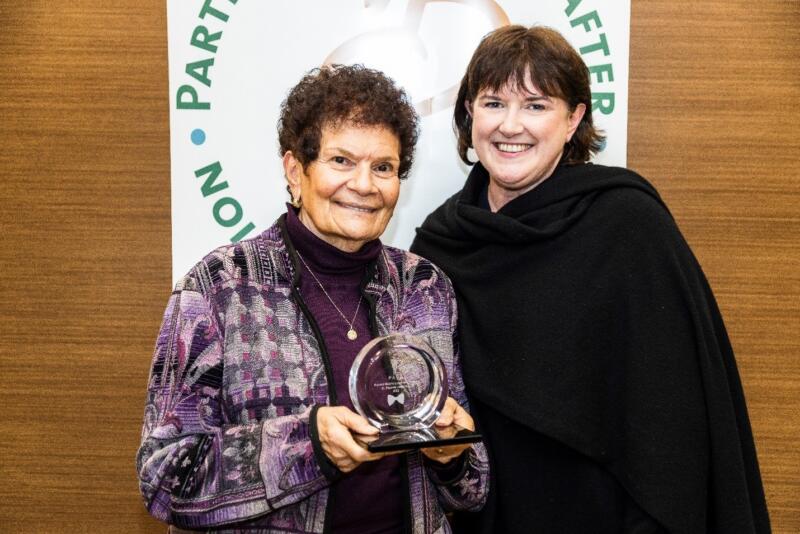
For decades, Paulette battled with city administrations, striving for funding for social programs aimed at protecting vulnerable residents. LoMonaco contributed to developing a pilot afterschool program and advocated for second chances for students who left school. She also worked extensively to reform the city’s foster care system. Among the dozens of Good Shepherd Services programs, many directly serve at-risk children and their families. The sisters frequently organize classes to educate about domestic violence.
In the 1970s, Brooklyn’s Park Slope neighborhood was highly unsafe, with many children being removed from their homes and placed in foster care. Good Shepherd Services initiated a family counseling program in the area. Over several decades, the neighborhood transformed, becoming known for its casual atmosphere, tree-lined streets, and historic homes. Most importantly, it gained a reputation for a progressive community of families and young professionals.
As Paulette LoMonaco told The New York Times, young people in the 21st century experience more stress than past generations due to social media. In the age of cyberbullying, anyone can post hurtful content online, which remains forever. Moreover, mass shootings involving teenagers have become more common. LoMonaco and her team have worked hard to reduce crime rates. In 2019, she retired but continued living with her sisters and teenage girls, remaining devoted to youth welfare.
Daily Routine
Though Paulette LoMonaco may not outwardly resemble a traditional nun, given her attire, her actions and dedication underscore her religious calling. She begins each day with morning grace, spending an hour or more in prayer and meditation. Every morning, the nun also reads gratitude quotes. Then, Sister Paulette studies the liturgical text, praying for wisdom and resources to ensure the agency’s continued success. After this, she shares breakfast with two neighboring nuns. During meals, they review newspaper headlines, focusing on stories related to children’s welfare and education. Sister Paulette then heads to the 10-hour mass at a local parish, stopping along the way to pick up groceries.
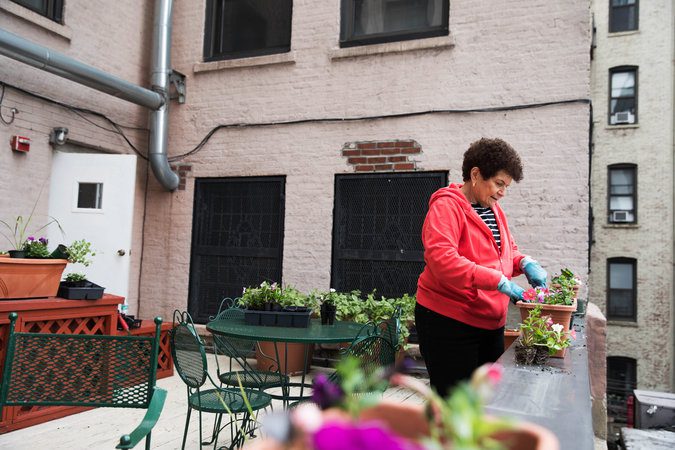
If time allows after responding to emails, LoMonaco tends to the flower beds, waters the plants, or visits a museum. Occasionally, she finds a moment to browse the newspaper. When necessary, Paulette sends letters to her colleagues or city officials.
Paulette LoMonaco’s dedication to Good Shepherd Services has never been about herself alone but the entire community. Together with her colleagues, she transformed a small organization caring for vulnerable people into one of New York’s largest youth social service agencies.