

In 2021, New York ranked among the ten American states with the lowest divorce rate: 2.2 divorces per 1,000 residents. Overall, the country’s divorce rate has decreased by approximately 20% since 1980. This decline is attributed to later marriages and clearer expectations regarding partnerships. Nevertheless, family breakdowns remain common. While challenging and painful, thousands of people in the U.S. go through divorce each year. For some, ending a relationship is the only option, but for others, it may be a hasty decision stemming from an unwillingness to work on personal growth. Gabriela Giuggioloni, based in Queens, assists those who are ready to change for a happier future. Read more at queenska.com.
Who Is Gabriela Giuggioloni?
Gabriela Giuggioloni is a psychotherapist with over 20 years of experience working with individuals, couples, and families. She holds a master’s degree in psychology from the University of Buenos Aires, Argentina’s largest and one of Latin America’s most prestigious universities. Additionally, Giuggioloni earned a degree in social work from New York University. After her studies, she began a private practice in Queens, where she works with people from diverse cultures, backgrounds, and beliefs. A significant focus of her work is on relationships, helping people improve connections with their inner selves and others through individual, couple, and family psychotherapy.

Couples Therapy
All romantic relationships go through ups and downs and require work, commitment, and a willingness to grow with a partner. Even after past experiences, one can still build a strong connection. Maintaining an emotional bond with each other is essential. In healthy relationships, one should feel loved and emotionally fulfilled. However, some people get stuck in peaceful coexistence without a genuine emotional connection, causing a gradual increase in distance that ultimately leads to complete alienation.
The key to strong relationships is open communication. You should feel safe to honestly and openly share concerns and reach agreements with your partner without belittling or insisting on being right. It’s also important to recognize that no one can meet all your needs. In fact, expecting too much from a partner can be harmful. Maintaining connections with family and friends, as well as having personal hobbies and interests, is crucial. Everyone wants to see their partner as interesting and multifaceted, not someone who has completely forgotten about themselves.
Another issue is that many couples focus on their relationships only in the beginning or when specific, unavoidable problems arise. Often, people prioritize careers, children, or personal interests. However, a romantic relationship requires consistent attention and commitment for love to thrive.

Sometimes, professional help is necessary to view conflicts from a different perspective. In such cases, Gabriela Giuggioloni offers couples therapy, also known as marriage counseling or couples counseling. For therapy to be effective, both partners must first acknowledge that there is an issue in the relationship. Only when both are ready to change can couples therapy be successful. The psychotherapist guides couples in healing, teaches effective communication, dedication, patience, forgiveness, trust, and boundary setting.
Family Counseling
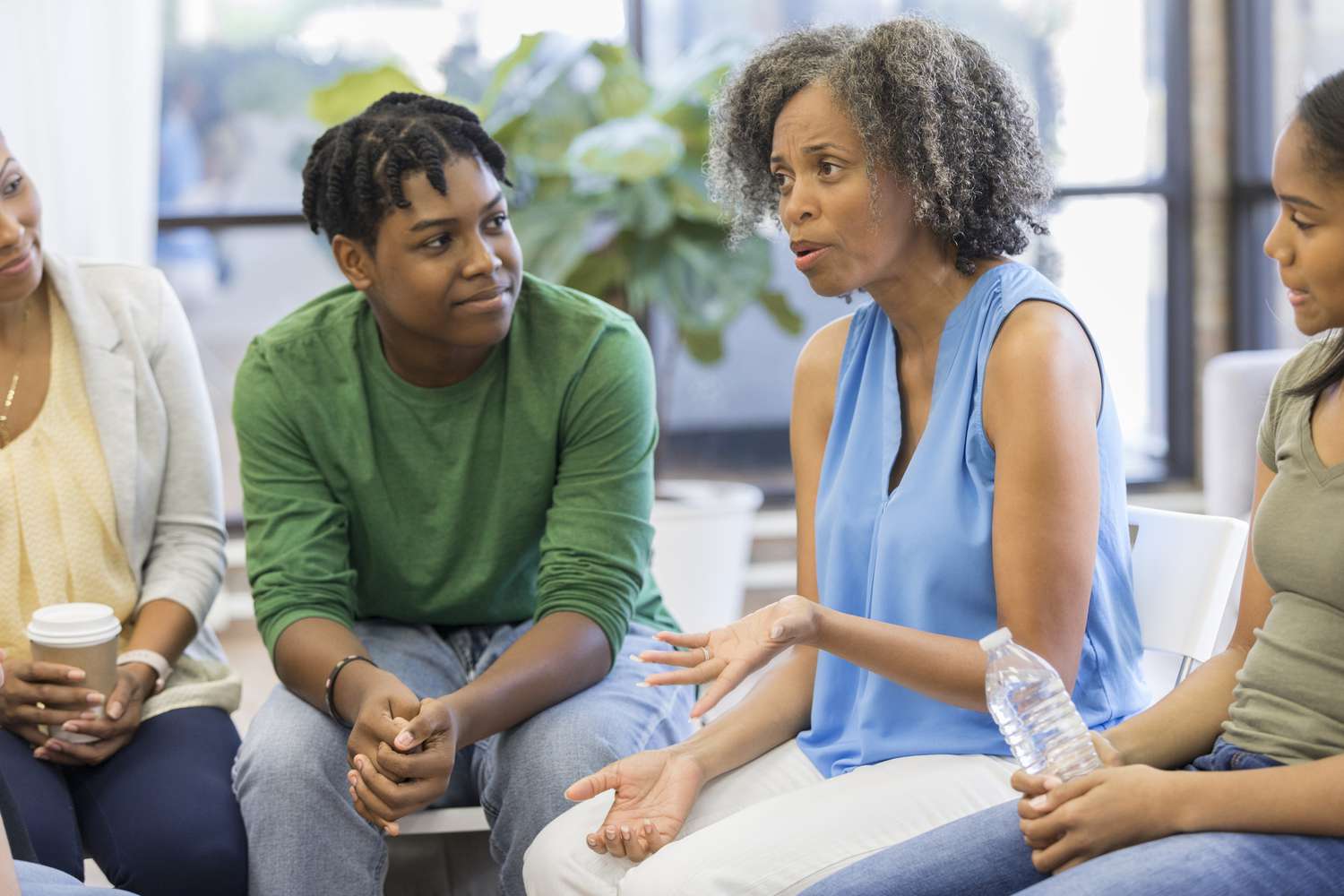
Building a healthy family requires effort. Almost every family faces difficult periods. Gabriela Giuggioloni offers family counseling, a form of therapy that involves family members coming together to achieve common goals. This service is particularly beneficial for those living with someone with physical or mental illness, parents of children with behavioral issues, families experiencing illness or loss, and couples adjusting to life in a new country. Initially, the therapist speaks with each family member and then develops a treatment plan. Therapy helps identify individual and family issues, encourages positive changes, fosters effective communication, and sets healthy personal boundaries.
Strategies for Building Strong and Lasting Relationships
The early stages of romance often feel like a whirlwind of charm, passion, and bliss. This magical phase, often called the honeymoon period, is characterized by intense attraction, infatuation, and euphoria. During this time, couples view each other through rose-colored glasses, basking in the glow of newfound love. However, as time passes, people reveal their true selves, facing a reality that can sometimes be routine, dull, and imperfect.
Gabriela Giuggioloni recommends the following effective strategies for developing a strong and lasting partnership:
- Accepting Change: Couples need to understand that change is a natural part of life and relationships. Rather than fearing it, view change as an opportunity to grow stronger.
- Quality Time: Like in the early stages, couples should continue spending time together over the years, whether through date nights, shared travel experiences, or simple movie nights.
- Maintaining Individuality: Don’t forget your own passions and personal growth.
- Effective Communication: Honest conversations are essential for resolving conflicts and maintaining emotional closeness.
- Celebrating Milestones: In a happy relationship, the couple continuously grows. Remember to celebrate progress.
- Adding Spark: Keep the romance alive by introducing new experiences and surprises. This helps carry the romance through the years, avoiding the need to start new relationships every time challenges arise.
- Professional Guidance: An expert can strengthen relationships and promote growth as a couple.
Low Self-Esteem as a Cause of Anxiety
In her blog, Gabriela Giuggioloni writes that anxiety in relationships often stems from a lack of self-confidence. Self-worth is formed in childhood and defined by the place a child holds in the family. If a child does not feel valued, they may suffer from low self-esteem in adulthood. Other factors, such as past successful or unsuccessful romantic relationships, also play a role.
A child raised in a critical environment, without the ability to accept mistakes, often grows into a person with unrealistic expectations of themselves and the world. This is often seen in efforts to meet societal demands, leading to feelings of inadequacy when things don’t go as planned. In relationships, a lack of self-worth manifests in several ways:
- Constantly seeking attention and reassurance
- Suppressing personal feelings
- Avoiding conflicts
- Being overly kind to others
- Experiencing jealousy and distrust
- Avoiding intimacy or having sexual restrictions
- Maintaining emotional distance

People lacking self-worth find it difficult to build healthy relationships. Sometimes, they avoid meeting new people altogether, feeling they are not “good enough.” Physical appearance issues, such as feeling too heavy or short, can worsen the situation. Anxiety can be so paralyzing that they cancel dates at the last moment, even when they are genuinely interested in someone. In such cases, only psychotherapy and supportive people can help.