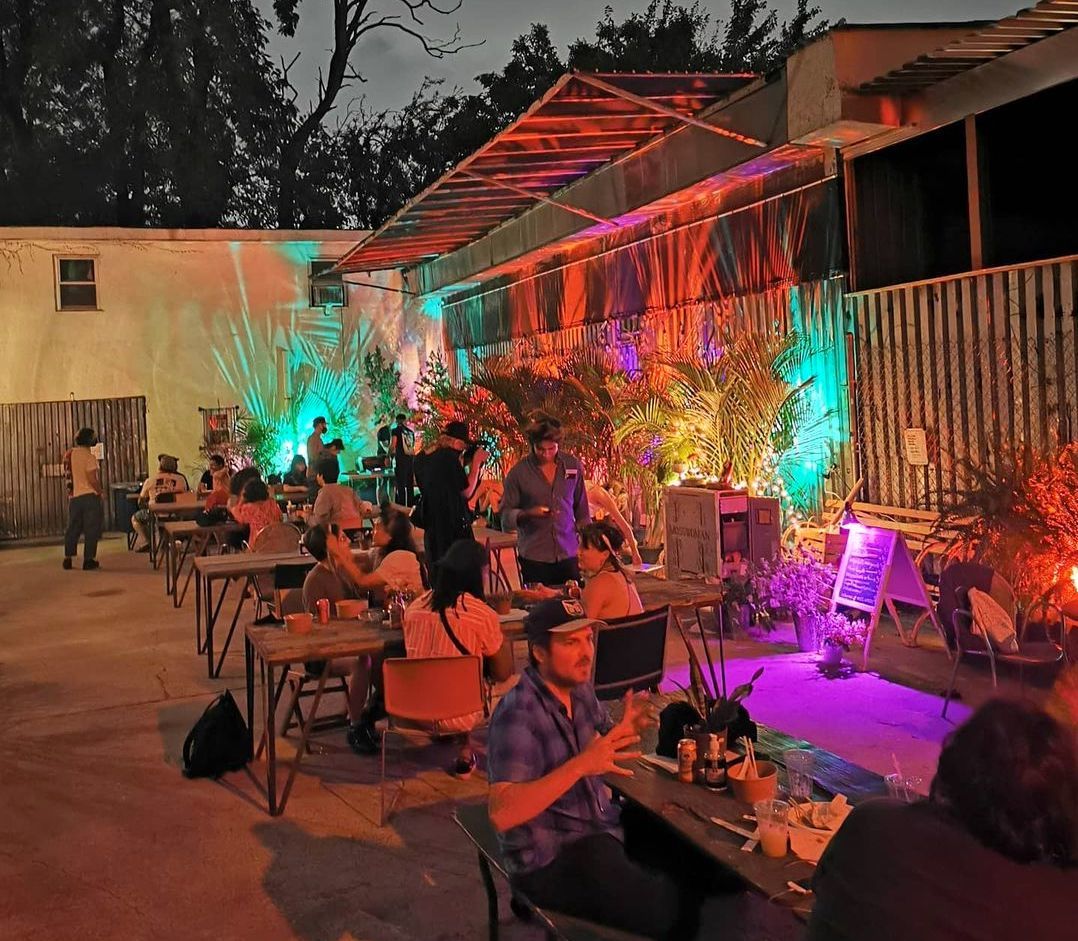

In the latter half of the 20th century, New York was regarded as the world’s nightlife capital. If Manhattan had the greatest number of wild parties in the 1970s, then by the end of the 1990s, Queens and Brooklyn had become the center of attention. Even popular nightlife hubs like Berlin, London and Paris could not compete with New York. Learn more about what makes the city a magnet for partygoers, as well as the evolution of club culture in Queens in particular at queenska.com.
The center of diversity
One of the reasons New York clubs are so popular is their diversity. Representatives of different genders, nationalities, races and sexual orientations all relax here. This is especially true in Queens, the most ethnically diverse area of the United States. The people that live in the borough represent cultures from all around the world. They speak more than 130 languages and come from more than 120 different countries. Queens has the highest number of Dominican, Chinese, Jamaican and Indian natives.
In the Jackson Heights neighborhood of Queens, there used to be a club with a Colombian atmosphere called Chibcha Restaurant. Before the restaurant closed, you could see there red and white tables surrounding the dance floor. It was a truly extravagant establishment, with continental cuisine and drinks on the menu. Visitors particularly enjoyed the “fiery” Latin American cane liqueur. The dance floor opened around midnight and was largely crowded with Latinos from the Jackson Heights and Crown neighborhoods.
Five blocks east of Chibcha was the Plaza Garibaldi Club, which primarily served Mexican immigrants. Mexicans were particularly drawn to the joyful Colombian cumbia and rancher (their version of country music). They were also huge fans of salsa, which originated in the Afro-Cuban tradition. By the way, the club takes its name from a square in Mexico City, the capital of Mexico.
Amazura nightclub in the Jamaica neighborhood offers guests standard hip-hop music. In Long Island City, on the other hand, a team of DJs entertains the audience with a range of musical styles on Saturday nights.
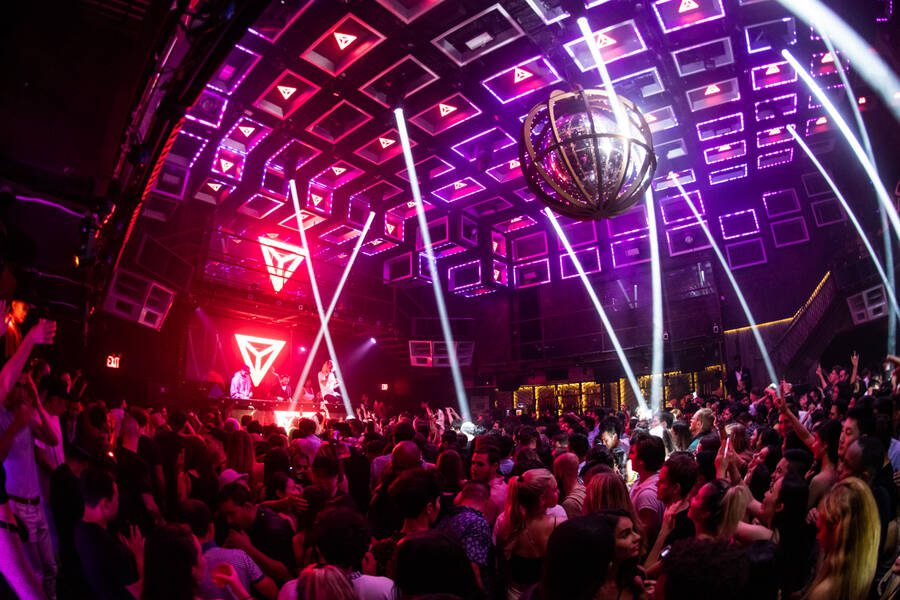
Clubs in New York City welcome all members of the community, including representatives of the LGBTQ community, heterosexuals, whites and people of color, students and the elderly. Steve Rubell, the founder of Studio 54, a famous Manhattan club from the 1980s, described the city as “a salad of mixed cultures.”
The debut scenes for the stars
Popular nightclubs of the twentieth century included the Tenth Floor, Paradise Garage, Boy Bar, Better Days, Pyramid Club, Building, Palladium, Milky Way and others. It was here that singer Madonna, drummer Moby, the bands Deee-Lite and Stretch Arm Strong, actor and drag queen RuPaul and DJ Frankie Knuckles won the attention of their first fans.
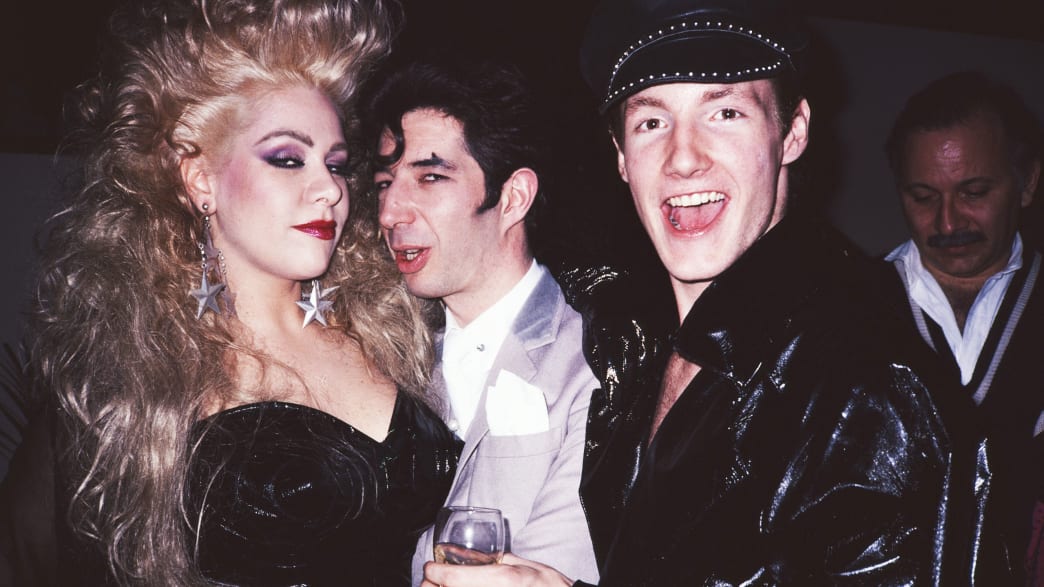
British DJ Mark Ronson also began his career here. He is also a guitar player, music producer, Grammy Award winner and co-founder of Allido Records. Long before he began to win awards for his collaborations with Bruno Mars, Miley Cyrus and Amy Winehouse, Mark Ronson built his initial fan base in New York clubs. The latter included Giant Step and Soul Kitchen.
Decline and revival
As foreign investors and bank employees in Manhattan began to replace the penniless art class, club life lost some of its popularity. The huge sums of money that flowed in the late 1980s changed everything.
The development of the Internet has also contributed to the decline of clubs. Social networks enabled young people to effortlessly connect with each other and arrange their own gatherings. Furthermore, many people have lost interest in spending time outside, preferring to use internet calls and chats. Dating services have emerged as a new venue for dating, finding friends and romantic partners.
Manhattan clubs, once the epicenter of New York’s nightlife, have fallen into decay. They were replaced with enclosed glass shopping malls surrounded by multimillion-dollar apartments. However, as previously stated, by the close of the twentieth century, the entertainment arena relocated to Queens and Brooklyn. Citizens began to gather here for techno raves held in old hotels, office buildings, bars and attics. Nevertheless, there’s no shortage of conventional nightclubs in the area.
Best nightclubs in Queens
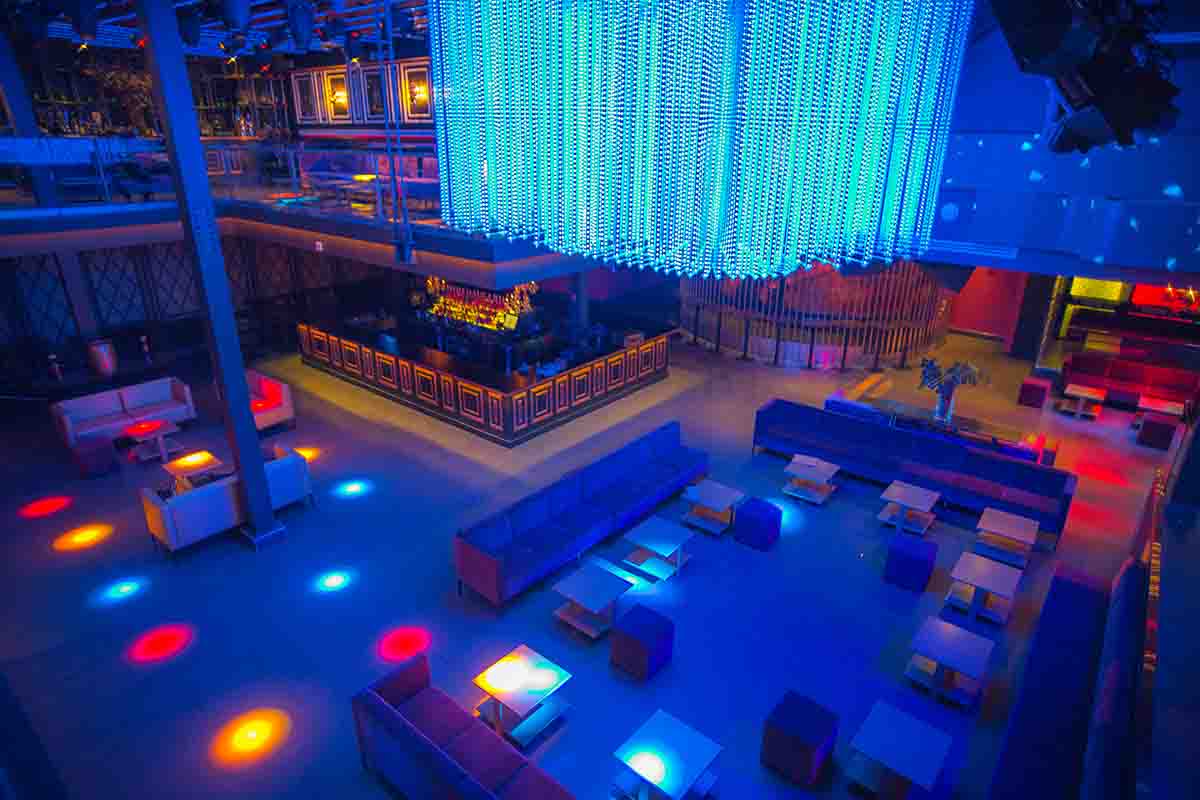
- Amadeus Nightclub (previously known as Glaze) is a massive venue with two party areas, two themed bars and a capacity of over 1,500 people. The club features an incredible sound system that is unlike any other in the city. Flexible LED screens in the shape of circles illuminate the dance floor, creating an unsurpassed club experience. The stairs to the mezzanine and bar counter are lit with LED lights. Every Friday and Saturday, events are hosted here with a large crowd and loud music.
- Basement is quite similar to Berlin’s Berghain club, which is regarded as one of the world’s most famous and exclusive techno clubs. Basement underground club is dedicated to techno music. Its dungeon-like interior is made up of nooks, crannies and small narrow passageways. The sense of disorientation is heightened by flickering lights and fog. In the center of the club is a dance floor surrounded by concrete pillars, old factory doors and arched brick windows. The bar offers strong drinks in cans and plastic cups.
- Nowadays is a cozy event bar/club outfitted with a high-quality sound and lighting system. There are spaces for private parties both outside and indoors. Nowadays host parties, birthdays, weddings, concerts, beer tastings and so on. The proceeds from these events support Nowadays’ art and community programs.
- Trans-Pecos is a live music venue, nightclub and public space that also has its own Vietnamese restaurant and patio garden bar. Guests are attracted by delicious inexpensive drinks, a room with excellent acoustics, stunning views, unique live performances and much more.
- La Boom, which was founded with the goal of revolutionizing nightlife, now sets the standard for Latin American nightlife in New York. Carefully designed interior, a cutting-edge sound system and lighting create an atmosphere that is both intimate and dynamic. Every Saturday, La Boom holds parties to celebrate Latin American culture, music and dance. Every Sunday, the club hosts performances of the most popular Mexican artists. The stage transforms into a lively musical canvas, showcasing the rich and diverse Mexican talents.
- Tantra Lounge operates as a restaurant, cocktail bar and nightclub all at once. With its distinctive atmosphere, broad music collection and wonderful food and drinks, the restaurant has something to offer for everyone. During the day, the Tantra Lounge serves food, and in the evening, it transforms into a vibrant nightclub where DJs create mixtapes featuring Latin music, Hip-Hop and other styles.
- Club Evolution, formerly Club Atlantis, is a gay nightclub. It offers the latest dance mixes featuring salsa, merengue, reggaeton and bachata. This implies that the club is popular with Latin Americans who come for the music and unconstrained communication in a non-judgmental environment.