

According to the Centers for Disease Control and Prevention, New York State has a higher rate of anxiety in its population than any other state in the United States. Are you so anxious that you are paralyzed by fear and unable to make decisions? Do you have a hard time dealing with stress and uncertainty? If so, it might be a sign of anxiety—a set of feelings of fear and worry that can really take a toll on your body. Those who are tired of being trapped in the vicious cycle of anxiety are rescued in Queens by psychotherapist and licensed clinical social worker Maria Kourounis. To learn more about the real problem of many people and ways to combat it, recommended by an expert, check out queenska.com.
What is anxiety?
Anxiety is an individual psychological trait that manifests itself in a person’s tendency to experience severe anxiety over minor issues. Feeling anxious before an exam, job interview, or receiving important test results is normal. However, if this state persists for a prolonged period, it may indicate an anxiety disorder.
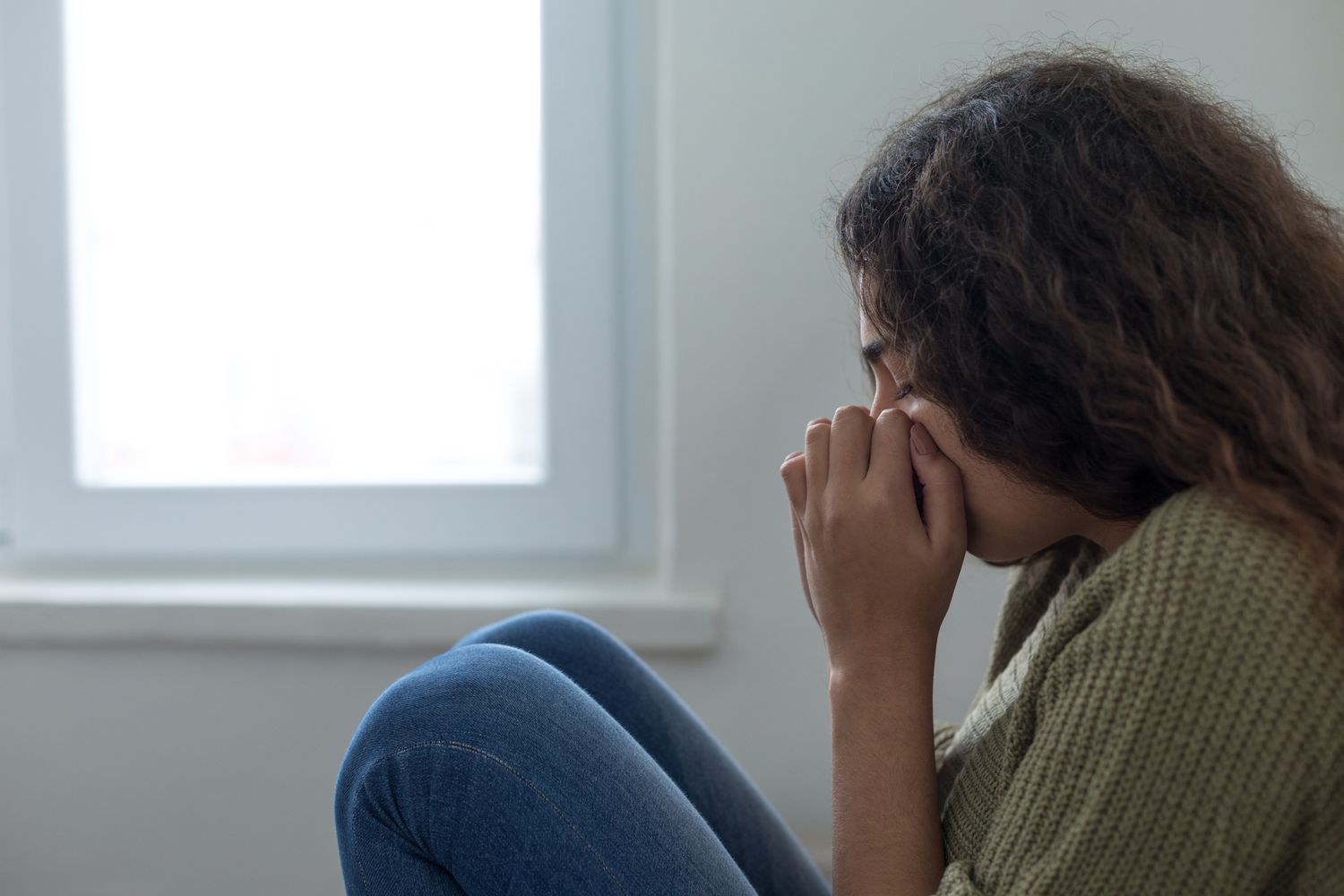
Maria Kourounis explains that there are many different types of this condition, such as generalized anxiety disorder (characterized by worrying about a broad range of situations and issues rather than just one event), phobias (intense fears of specific people, things, or situations), social anxiety (excessive stiffness or discomfort when interacting with people), health anxiety (intense concern about illness), and more.

Maria Kourounis
The specialist identifies genetics, co-occurring physical and mental conditions, the effects of drugs, or a combination of any of these factors as the primary triggers of anxiety. Stressful life circumstances also entail a spike in anxiety. Women statistically have a higher likelihood of experiencing anxiety compared to men, which is linked to societal expectations, increased risk of violence, hormonal changes, and more.
Actually, the amygdala, an almond-shaped cluster of gray matter, plays a key role in triggering anxiety within the brain. This structure communicates with the adrenal glands and the sympathetic nervous system, which in turn, instruct the body on how to react.
What are the signs of anxiety?
Anxiety can feel like a looming threat, whether real or perceived. It can lead to heart palpitations with every thought, trouble sleeping and a reluctance to face the day. It also results in a preoccupation with a multitude of questions. Racing thoughts and excessive worrying can make even minor situations feel overwhelming. The person might become hyper-aware of their surroundings, constantly analyzing every detail and worrying about potential outcomes.
Anxiety has a significant impact on human behavior and is marked by excessive feelings of nervousness, unreasonable irritability and a tendency to anticipate difficulties and problems with concentration. While some symptoms are similar to the typical attributes of life in the 21st century, their prolonged impact weakens the body’s defense mechanisms.
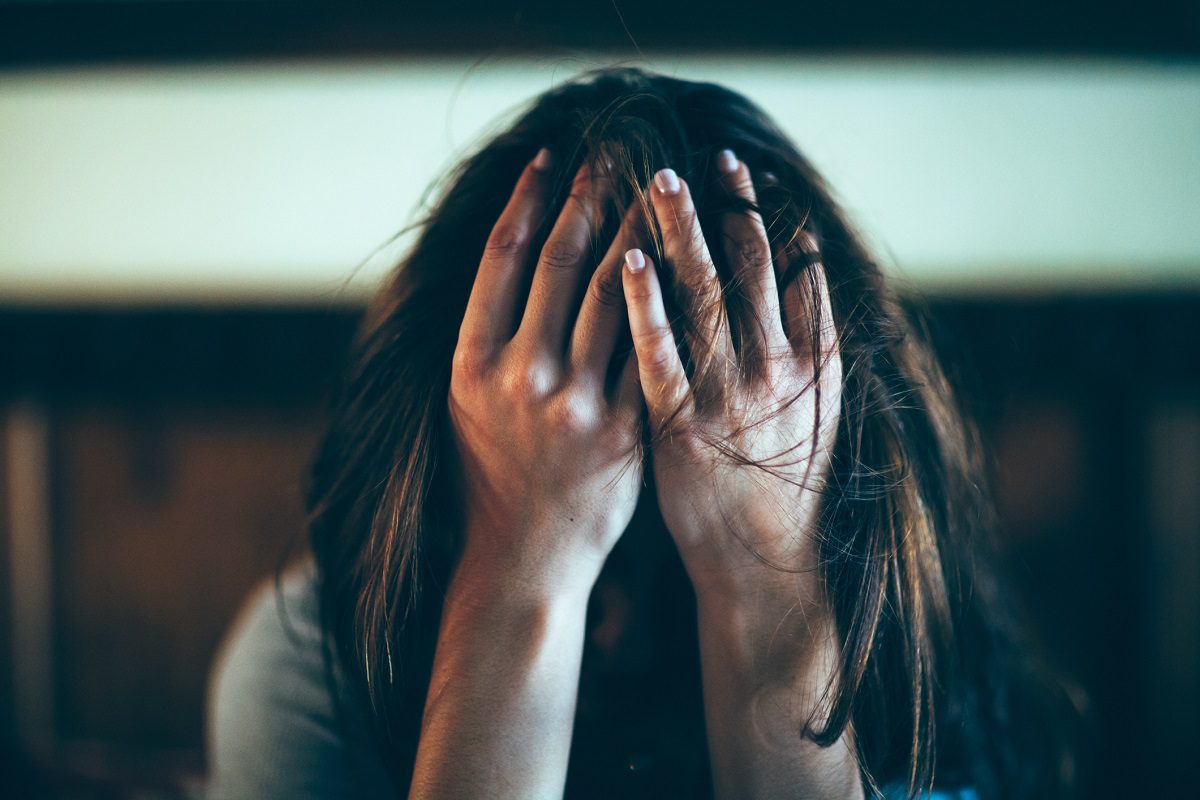
This condition requires a significant amount of energy and results in persistent mental exhaustion. Anxiety can also manifest physically, as rapid heartbeat, pain behind the chest, frequent breathing, excessive sweating, shivering, pain, weakness, generalized fatigue, dizziness, poor sleep, gastrointestinal illness, and frequent urination.
So, how do you overcome it?
If you’re feeling so anxious that everyday life feels like a physical, emotional, and cognitive terror, you need to take action right away. There are a variety of ways to reduce anxiety, such as psychotherapy or the medication needed to balance brain chemistry (antidepressants and sedatives). At the same time, there are natural methods of dealing with the disorder. They are based on lifestyle changes and the introduction of new habits. Maria Kourounis suggests four natural ways to overcome anxiety.
- Take a moment to meditate. Anxiety can often make us dwell on irrational fears and get caught up in a cycle of negative thoughts. Meditation helps us recognize these patterns and steer our minds in a more positive direction. Find a comfortable spot, preferably outdoors, if the weather allows. With your eyes open, take five deep breaths in through your nose and the same number of breaths out through your mouth. Close your eyes and concentrate on the physical sensations. Focus on your breathing. When thoughts, fears, or judgments arise, gently sift them out. Imagine them as leaves floating towards you in a pool. Then, focus on your breath for five minutes and then on your body and physical sensations.
- Write down your thoughts. Anxiety can feel like a flurry of thoughts that have nowhere to go. Try to capture them by keeping a journal: it can alleviate symptoms of anxiety and even depression. Write down not only your experiences but also what you are grateful for in the world. This way, you will improve your dopamine regulation, overall mood and quality of sleep. Begin or conclude your day by writing down three things you are grateful for.
- Express your emotions through drawing. Remember, art is not about perfection, it’s about expressing yourself. Let your creativity flow by picking up the paints. Turn on some music and let it inspire you to create a piece of art on a sheet of paper that captures the emotions you are feeling while listening to the tunes. They don’t have to be precise representations. For instance, use bold brush strokes for anger and gentle, flowing strokes for serenity.
- Do a little tidying up. Researchers from Connecticut discovered that simply cleaning can enhance feelings of tranquility and coziness. Instead of getting stuck in an endless loop of hypothetical conversations in your head, take the initiative to do some housework. The act of cleaning mirrors meditation on an emotional level. The emotional experience of cleaning is very similar to that of meditation. It’s almost as if you’re fully present in the moment while your thoughts are elsewhere. This sense of detachment helps to reduce anxiety.
Psychotherapy, as the most effective form of medicine
If natural methods do not help, Kurunis advises consulting a specialist. Psychotherapy is proven to be the most effective solution for managing anxiety disorders. For instance, the therapist uses evidence-based anxiety treatments to help foster a more relaxed and resilient mindset.
One of these methods is cognitive behavioral therapy (CBT). This is a type of therapy that uses knowledge gained from scientific psychology to help people overcome mental disorders. It is based on the idea that we can deal with difficulties Here and Now by replacing fear-based thoughts with healthier, more constructive associations. CBT is considered the most effective form of behavioral psychotherapy for alleviating symptoms of anxiety.
Kurunis also employs psychodynamic therapy to gain insight into how past trauma and challenging experiences affect our current emotions and behaviors. This approach involves an in-depth examination of the unconscious processes that shape our desires, behaviors and connections with others.

There is a common misconception that one must be in an absolute crisis to benefit from treatment. But that is not true. Many people with a wide variety of symptoms seek help to tackle complex issues or simply to improve their quality of life. You might attend therapy for a short or long time before you notice a decrease in your anxiety symptoms. Additionally, you can return to treatment after several months or years to address ongoing concerns or explore new ’emotional territories’.