

In a world where women have access to higher education, politics and leadership positions, it’s hard to imagine that it was ever different. Before running for president, Geraldine Ferraro began her career as a lawyer in Queens. Then she represented Queens in the U.S. Congress for three terms and even ran for vice president. She has dedicated her entire life to fighting for women’s rights and breaking down gender stereotypes. Read more on queenska.com.
The first in the family to earn a degree
G. Ferraro was born on August 26, 1935 in Newburgh, New York. She received her Bachelor of Arts degree in English from Marymount College of Manhattan in NYC. To support herself, Ferraro worked two and sometimes three jobs at the same time while studying. She is the first woman in her family to earn a college degree.
Ferraro also holds a school teacher’s license. She worked for a while as an elementary school teacher in the Queens Astoria Public Schools. Unsatisfied with her work, Ferraro decided to change direction and enrolled in law school. In 1960, she received her Juris Doctorate from Fordham University.
Legal and political career
Ferraro knew how to balance family and career. Along with raising her children, she worked for 13 years as a civil attorney at her husband’s real estate agency. Interestingly, Ferraro kept her surname for professional use to honor her mother for supporting the family after her father’s death.
Sometimes the lawyer also participated on a volunteer basis in court hearings where family cases were considered. Even then, she was willing to help women by fighting for their rights. Her connections in the legal field allowed Ferraro to take an active part in politics. Her mentor in political affairs was Mario Cuomo, the 56th Governor of New York State.
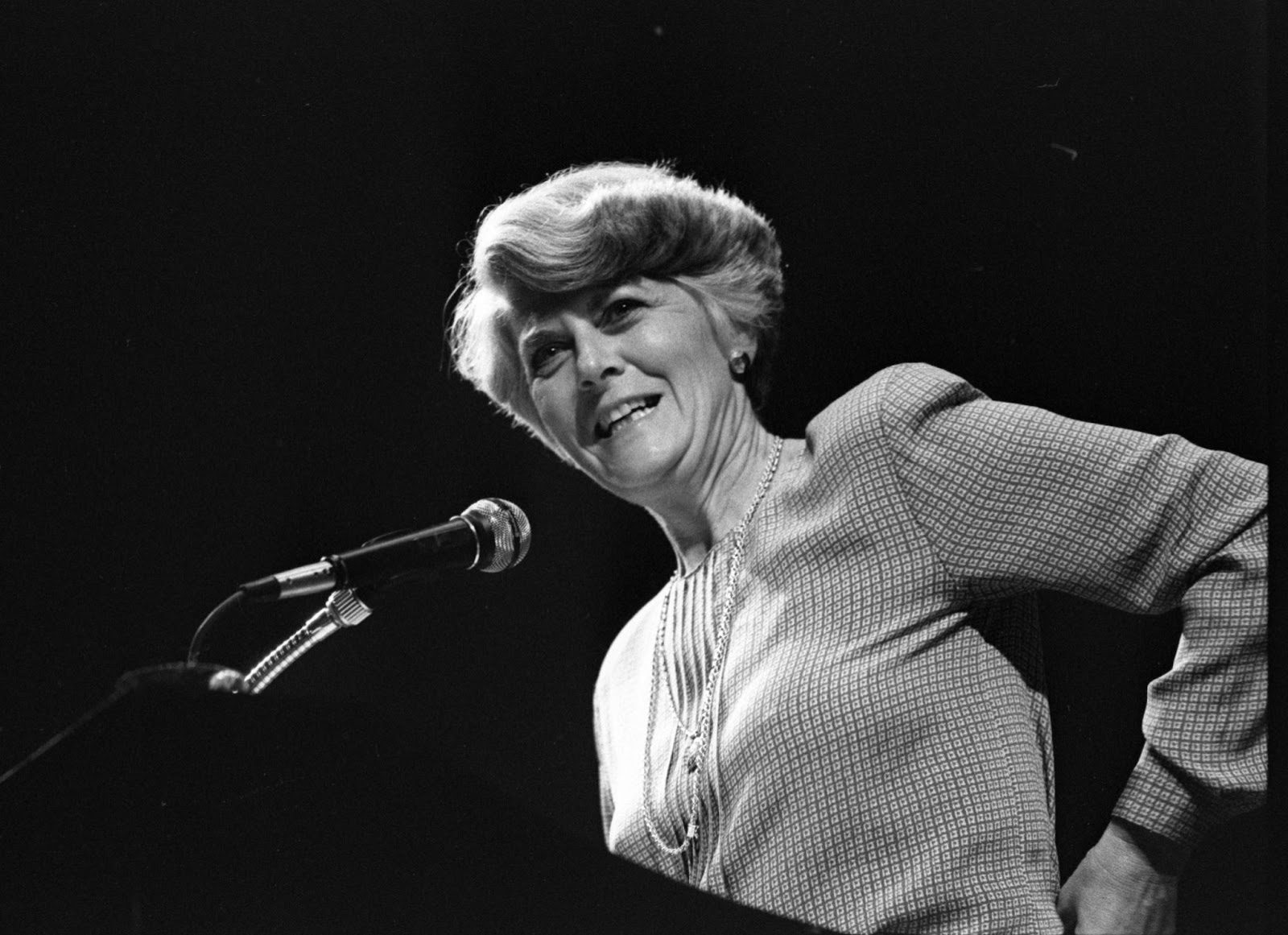
In 1970, Ferraro was elected president of the Queens County Women’s Bar Association. A year later, she was appointed to the Special Victims Bureau, which investigated cases involving rape, domestic violence and other crimes. In 1974, Ferraro was appointed Assistant District Attorney of Queens County. She gained a reputation as a fair and ruthless human rights activist. This work took a lot of energy from Ferraro, and she developed a stomach ulcer due to exhaustion.
In 1978, Ferraro was admitted to the bar of the U.S. Supreme Court. In 1979-1985, she represented the Queens district in the U.S. House of Representatives. In 1984, she became the first woman to run for vice president of the United States, although unsuccessfully.
In 1993-1996, the politician represented the United States at the UN Human Rights Council. She was also a member of the American Committee for Peace in Chechnya. In 2008, she headed the finance committee of Hillary Clinton’s campaign. Ferraro had to resign because of her statements about Barack Obama. In particular, she stated that Obama’s success was primarily due to the color of his skin.
Passionate advocate for gender equality
In the distant past, no one could imagine that a woman could be a vice presidential candidate. Just watch a few sitcoms from the 1950s and early 1960s: they depicted men going to work and women being housewives. It was believed that women were not competent enough for most professions. G. Ferraro, as well as some other female politicians, such as Claire Shulman, proved the opposite.
Once, as an assistant prosecutor, Ferraro learned that her boss paid her less than her male colleagues. This injustice was explained by the fact that Ferraro was married. By the way, marriage also hindered Ferraro’s political career. The fact is that voters were suspicious of the politician because of the suspicion of dishonest financial transactions of her husband, a real estate businessman.
Interestingly, H. Clinton also suffered because of her husband’s detractors. Marriage was cited as the only reason for Clinton’s success. However, there has not been a single male politician whose election campaign was ruined by his wife’s reputation.
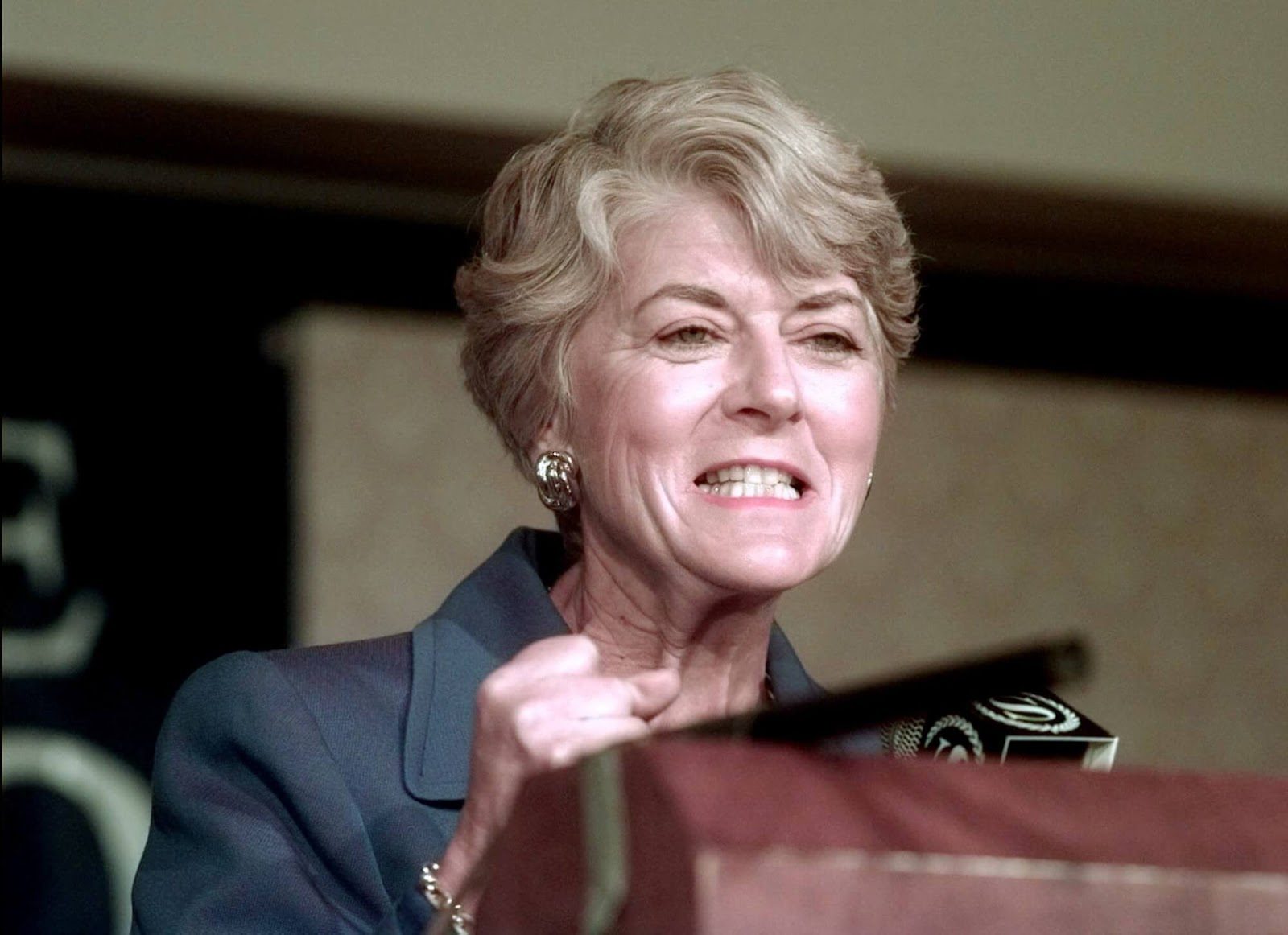
Ferraro was often criticized for her stance on abortion: for religious and personal reasons, she opposed the procedure. However, at the legislative level, Ferraro was a strong supporter of a woman’s right to choose and supported the legality and accessibility of abortion.
During her time in the U.S. House of Representatives, Ferraro helped pass legislation that made it easier for spouses to access retirement benefits. She also co-sponsored a bill on economic equality. In 1980, Ferraro co-founded the National Organization of Italian American Women to support the educational and professional goals of its members and to combat ethnic stereotypes.
Ferraro was inducted into the National Women’s Hall of Fame for her tremendous achievements. This hall honors outstanding women who have made contributions to society, science, art, sports, etc. In addition, Ferraro has received numerous awards from local Queens organizations.
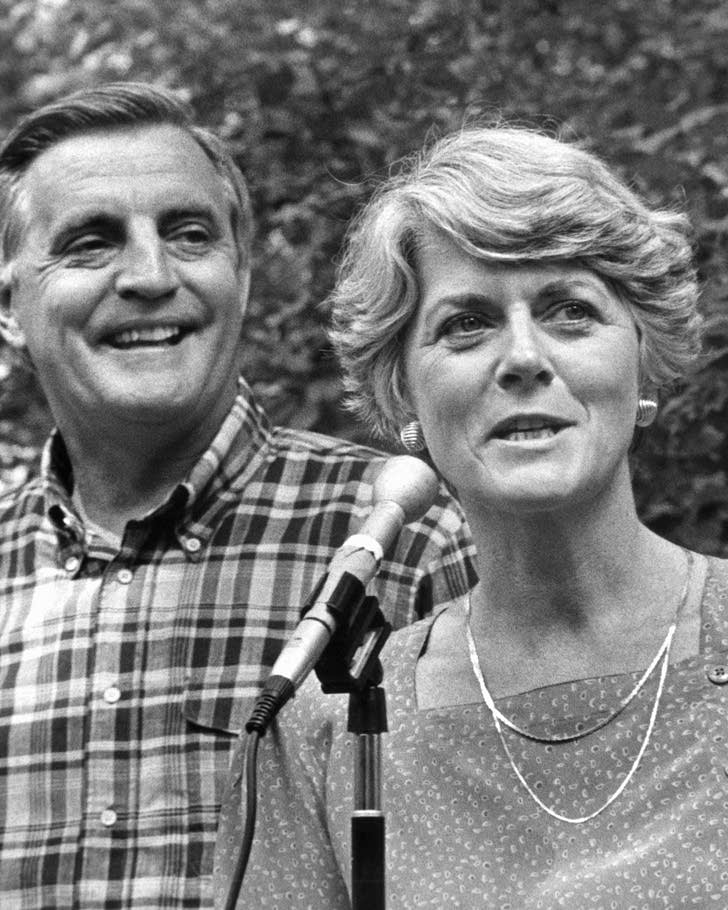
At the same time, the struggle of Ferraro and other feminists was not easy. Not everyone agreed with the idea that women should be politically and socially equal to men. Conservatives opposed the feminist movement, emphasizing the traditional role of women as home keepers. For example, conservative writer George Gilder argued that society should not devalue the role of men by forcing women to prove their independence.
A deadly disease
In 1998, the politician was diagnosed with multiple myeloma. This is a form of blood cancer in which plasma cells secrete abnormal antibodies that cause bone destruction and release toxic amounts of calcium into the bloodstream. Myeloma mainly affects people over the age of 65, but can be diagnosed at a younger age. Myeloma is not a single tumor, but a disease manifested by the accumulation of abnormal plasma cells in the bone marrow.
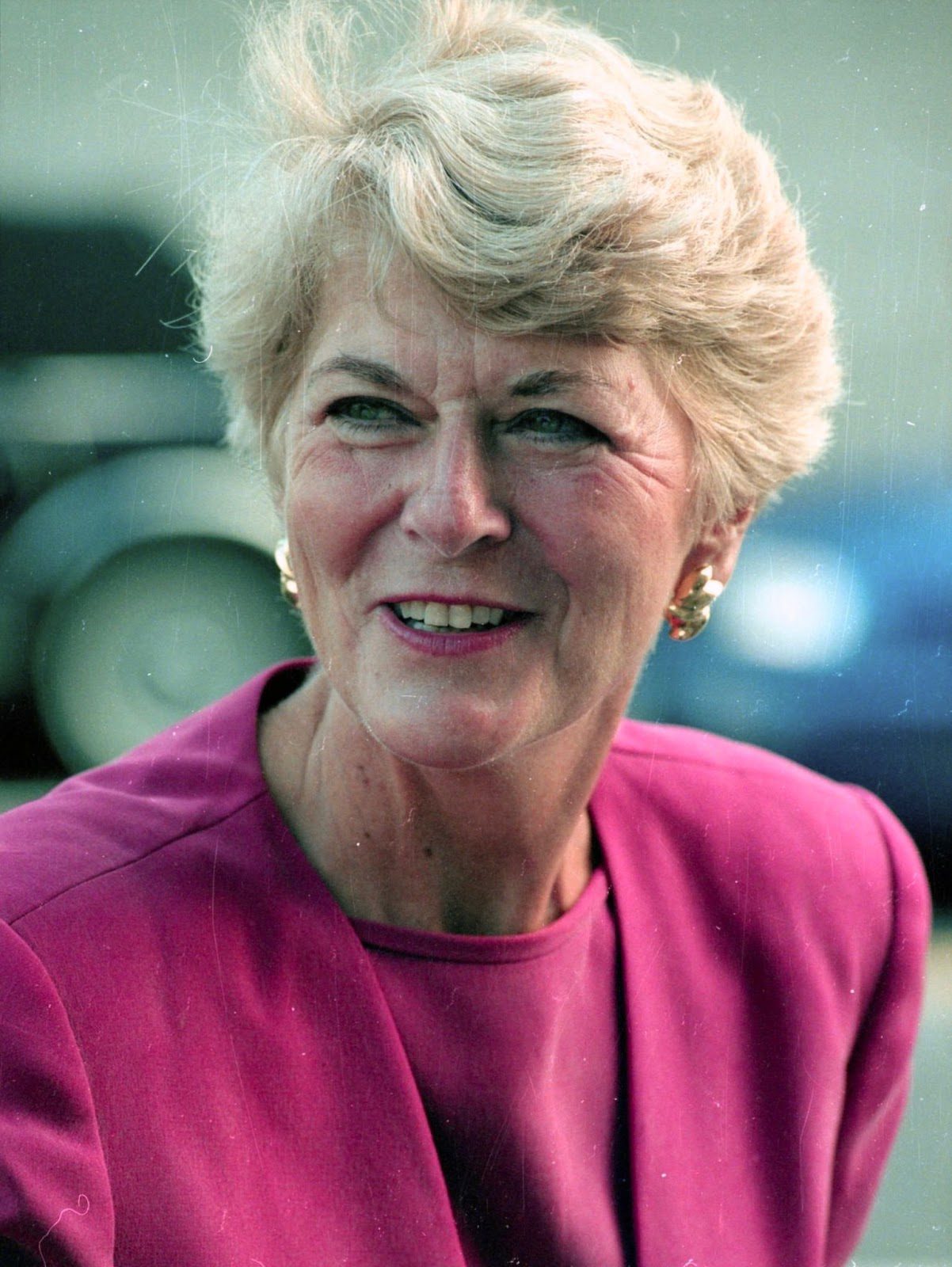
Ferraro did not disclose her health status until June 2001. Then she traveled to Washington, D.C., to attend a hearing on a bill to research hematologic cancer. Thanks to her, an educational program for patients with blood cancer was created. Ferraro often organized reports on this disease.
Doctors predicted that the feminist would live a maximum of 5 years. However, thanks to new medical treatments and a bone marrow transplant in 2005, Ferraro lived twice as long. During this time, she helped make the latest treatments available to other people. Ferraro was not in remission, but the disease was controlled through constant adjustments to her treatment plan.
In March 2011, Ferraro went to a hospital in Massachusetts to receive treatment for her pain. At the time, she thought she was only suffering from a fracture, a common complication of multiple myeloma. However, doctors discovered that the politician had pneumonia. Unable to return to her home in New York, Ferraro died in Massachusetts that same month. She went down in history as a woman who broke new ground in politics. Her hard work and dedication to her country became a source of inspiration for other citizens.